第一章【Chapter 1】
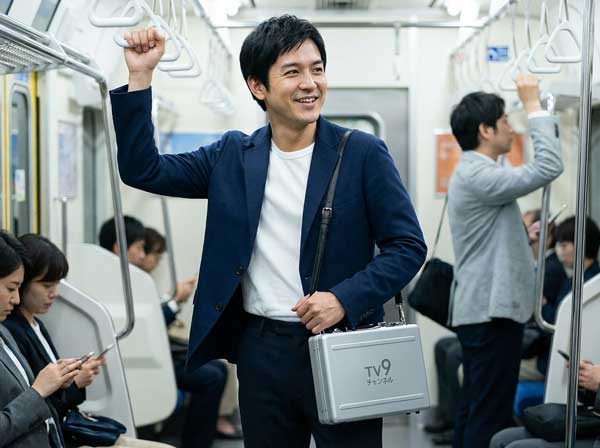
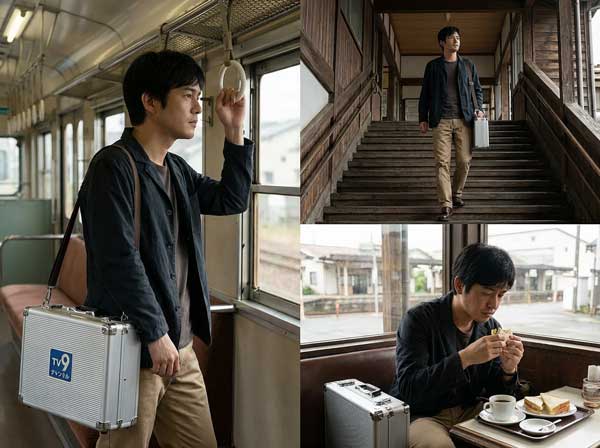
山手線の車内でも、池袋に出て西武線に乗っても、遠山は、十日ほど前に起こったその事件のことくわしく語った。平日で閑散としたホームをいくつも通り過ぎ、目的の駅に着くまで、その話しは尽きなかった。
遠山が大宮に渡した新聞の切り抜き記事によると、事件は三月十四日の午後五時頃、練馬区土支田四丁目の菊山家で発生した。
買い物から帰った菊山家の主婦里子は、夕食の支度でもしようと台所に立ったところで、電話が鳴った。そのとき、家内に長男悟の気配がしないのに気づいたが、どこかで遊んでいるものと思い受話器を取ると、子供は誘拐した、身代金を用意しろとの内容の電話だった。里子はとっさに観念し、家には金目のものはないと訴えたが、それなら子供を殺すぞとおどされて、仕方なく実家へ金の工面をたのむから待って欲しいと言った。犯人は、それでは明日までに一千万円用意しておけ、もし警察に報せたら子供の命はないと言い置いて、電話を切った。里子は養父宅へ電話をして事情を話したが、とにかく早く警察に報せるべきだと説得された。ところが、七時過ぎに夫が帰るまで里子は警察には連絡しなかった。養父宅から通報を受けた警察は、石神井南署に幼児誘拐事件の捜査本部を設置し、極秘裡に菊山家を訪れ、犯人からの連絡を待ったが、夜の九時過ぎ、家の近くの公園の砂場に幼児の遺体が発見された。担当の刑事は、泣き叫ぶ里子を拉致するようにして署に連れ帰り、犯人の声の特徴や脅迫の内容を再確認した。しかし、里子の記憶はあやふやで、肝心の脅迫内容も二転、三転した。これは変だと感じた取調官は興奮している里子をなだめすかして、最初からくわしく事の進展を問いただした。と、別の方面から一つの矛盾点が出て来た。近所の聞きこみで、六時に回覧板を持ってきた隣家の主婦は、菊山家の玄関の戸は閉まっていて中は暗かったと言ったが、夫が七時に戻ったときには、玄関は開いて、部屋も明かりはついていたと言う。当然、買い物から戻った五時以降の彼女の行動が問題とされたが、里子はそんなはずはないと言い張った。取調は翌日から本格的に行われたが、落とすのに時間はかからなかった。すべては狂言であったと自白した事件の顛末は、十五日の夕刊で各紙一斉に報道し、世間を唖然とさせたのである。
事件から一週間後、遠山は現場を訪れた際、思いがけず、里子の夫貢に会っている。遠山も、最初は余り期待していなかったようで、菊山家をのぞいたときも、中に人がいようとは思わなかったらしい。貢はテレビの取材だと分かると、そんなことされると困ると嫌な顔をしたが、遠山は新聞記事を出しにして、一々その確認を取る戦法に出た。新聞の記事はでたらめばかりだと、貢はだんだん興奮してきて、生活苦という里子の証言にいたく自尊心を傷つけられているところを見せたらしい。結婚したのは四年前だが、貢の反応で、夫婦仲は相当に悪くなっていたことは間違いないと遠山は結論づけた。
里子は北海道の釧路の漁村の生まれで、三歳のとき父親を冬の海で亡くし、十二の歳に母親を失っている。その後、遠縁の桜井陽司に引き取られ、養子縁組をして桜井家の人となった。桜井は王子のパチンコ店『五十鈴』の店主で、今は脳溢血で入院中であるとか。遠山はその住所を聞き出して菊山家を後にしたわけだが、二、三日内にもう一度たずねたいという約束は取りつけていたらしい。
「会議にも乗せないで取材していたなんて、さすがですね」と大宮は駅の階段をおりながら言った。
「なに…」と、遠山は苦笑したが、
「この前はわざと、二人の出会いの部分は聞かなかったからな。ばっちり入れてくれよ」と、大宮の肩に下げたデンスケに目をやってあごでしゃくった。
Chapter 1
Even on the Yamanote Line, and later on the Seibu Line out of Ikebukuro,
Toyama kept talking about the case that had happened ten days earlier.
They passed several nearly empty platforms—it was a weekday afternoon—and he talked all the way until they reached their destination.
The incident occurred around five p.m. on March 14th, at the Kikuyama residence in Doshida, Nerima Ward.
Satoko Kikuyama, returning from shopping, had just stepped into the kitchen to prepare dinner when the phone rang.
She noticed that her son, Satoru, wasn’t anywhere in the house, but assumed he was playing nearby and picked up the receiver.
A voice told her they had kidnapped her child and demanded ransom.
Panicking, Satoko insisted they had no valuables at home.
The caller threatened to kill the boy, so she pleaded for time, saying she would ask her family for money.
The kidnapper ordered her to prepare ten million yen by the next day and warned that if she contacted the police, the child would die.
Then the line went dead.
Satoko phoned her adoptive father‘s sister and explained the situation.
She urged her to contact the police immediately.
But she didn’t.
Not until her husband returned after seven.
Her father’s household, alarmed, contacted the police themselves.
A task force was set up at the Shakujii South Precinct, and officers quietly visited the Kikuyama home to wait for further contact.
But around nine p.m., the body of the child was found in a sandbox at a nearby park.
The detectives practically dragged the hysterical Satoko back to the station to confirm the kidnapper’s voice and threats.
But her memory was vague, and her account of the threats kept changing.
Sensing something was wrong, the investigator calmed her down and questioned her again from the beginning.
Then a contradiction surfaced.
A neighbor delivering a community bulletin at six said the Kikuyama house was dark and the door closed.
But when the husband returned at seven, the door was open and the lights were on.
Naturally, Satoko’s actions after returning from shopping became the focus.
She insisted the neighbor must be mistaken.
The next day, the interrogation intensified, and it didn’t take long for her to break.
She confessed it had all been staged.
The case was reported in the evening papers on the 15th, shocking the public.
A week after the incident, Toyama visited the scene and unexpectedly encountered Satoko’s husband, Mitsugu.
Toyama hadn’t expected much—he didn’t even think anyone would be home.
When Mitsugu realized Toyama was from television, he reacted with irritation, saying such coverage would only cause trouble.
Toyama responded by pulling out newspaper clippings and confirming each detail with him.
Mitsugu grew agitated, insisting the articles were full of lies.
He seemed deeply wounded by Satoko’s claim that they were struggling financially.
They had been married four years, but from his reaction, Toyama concluded their relationship had deteriorated badly.
Satoko had been born in a fishing village near Kushiro, Hokkaido.
Her father died in the winter sea when she was three, and her mother passed away when she was twelve.
She was taken in by a distant relative, Yoji Sakurai, who later adopted her.
Sakurai ran a pachinko parlor called “Isuzu” in Oji, but was now hospitalized after a stroke.
Toyama obtained the address and left the Kikuyama home, promising to return in a few days.
“Interviewing them without even putting it on the meeting agenda… impressive,”
Omiya said as they descended the station stairs.
Toyama gave a wry smile.
“I skipped the part about how they first met on purpose last time. Make sure you get it this time,”
he said, jerking his chin toward the tape recorder hanging from Omiya’s shoulder.
現場は、石神井公園駅の北口を出て雑踏の中の狭い通りを抜け、タクシーで十分ほどの住宅街にあった。問題の公園は、ウイーク・デーの午後ということで、近所の主婦たちが二三乳母車をひいて来ているだけのなんの変哲もない日常の場所だった。砂場の上に枝を張った松がおおっている。見上げると、根元はどうやら古アパートの屋上の植物園からのものだと分かった。大宮は屋上に上ってみたが、網の目のような枝が邪魔で砂場の写真を撮るのに一苦労した。
遠山も階段を上がって来て、途中の踊り場の窓から身を乗り出すようにして、泣き出した赤ん坊を乳母車から抱き上げた若い主婦に目を落とした。たちまち主婦たちはその赤ん坊を囲み幸せそうな笑いを弾けさせる。
「別のところで殺して、ここに運んだのだろうか」
その声があまりに大きかったので、赤ん坊をあやす女が顔を上げた。その顔にはまだ笑みが残っていた。遠山は、違う違うと手を振って謝った。
新聞報道では、近くのアパートの屋上から投げ捨てたというような記事もあった。幼児の死因は頭蓋骨骨折である。
菊山家は新築工事現場に隣接し、木片を切る旋盤の音などして、路地を近づくと木の粉の匂いが鼻についた。
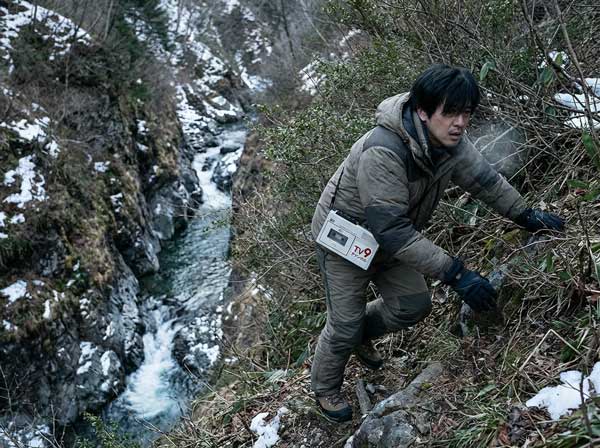
「おい、いるよ」と、遠山は肘で大宮の脇腹をつついた。空き地に向かって玄関があり、わずかに開いた戸から靴が見えた。玄関の前で大宮はデンスケのスイッチをオンにし、マイクをジーンズの尻に隠した。
「ごめんください」と、遠山はセールスマンよろしく中に声をかけた。貢はテレビの時代劇の再放送に多く目をやったまま、面倒そうに何か用かと聞いた。ガラス戸越しに別の男の背中が見える。貢は大宮にも射るような目を向けたが、デンスケまでは見とがめなかった。
遠山は取材の向きを説明し、お話しをうかがいたいが、と申し出た。貢は、ああとぶっきらぼうにうなずいたが、視線はテレビに向けたままだった。部屋にいる男たちもテレビを見ているが、会話らしい会話もない。ただ、越後屋がどうの、代官がどうのとテレビの声が流れて来るだけである。例によって悪徳商人と代官の罪を暴いているのだろう。遠山は玄関の上がり框に横坐りになって取材をはじめた。大宮は遠慮勝ちにマイクを差し出した。貢の短く刈りこんだ頭はブルドック犬のようなしわが耳のつけ根まで襲い、動物的な獰猛さを感じさせた。
遠山は、最初、事件とはおよそ無関係なことを並べ立てていたが、女性解放を番組で取り上げるにあたって、今回の事件は恰好の素材であり、ぜひとも真実を明らかにしたいなどと徐々に本題にすり寄せて行った。しかし、貢はまるで馬耳東風である。返事もしない。遠山はまた新聞の記事を出しにして、貢が被害者であるとまで言って鎌をかけたが、当人は相変わらずもの憂そうで、一向に乗ってこない。大宮も大胆になってマイクを彼に突き出してみたが、入って来るのは激しい劇中音と一転コマーシャルの増幅された音だけだった。特にコマーシャルの商品連呼の傍若無人さは、肝心の二人の出会いの部分までもかき消すのではないかと危ぶまれた。
「里子とは五年前の十月、上野駅構内のスーパーで出会った」
「スーパーと言いますと」と、遠山は意外な場所なのにまず驚きを隠さなかった。
「里子は、おでんの出しのセールスで試食品をこしらえては、店に入って来る客に勧めていた」
「そこで、声をかけられたのですね」
「別に声かけたわけじゃねえけど、何となく、お互いに顔見知りになっていな」と、貢は後頭部をかいた。ようやくしゃべり出したと思ったら、いきなり核心に入ったので、遠山は大宮をふり返った。
「もう少し大きい声じゃないと、よく入りません」と、大宮は彼の耳元にささやいた。
「場所を代わろう」
「え! そうですか」と、大宮は無理に押し出されて慌てた。貢までの距離はぐんと縮まった。しかし、貢は二人のドタバタ劇には顔をそむけるようにしていた。
「どんなことを話されたんですか、最初」
遠山の声は大宮の頭上から発せられた。
「歳を聞くと、十七って答えたな。それから、一日中立ち通しで疲れないかって聞くと、休憩時間はあるんだけど、一人だから取れないとか、そんな話しをした」
しかし、その話題は貢の方から一方的に打ち切られた。部屋にいる者の耳を気にした風である。四十前後の男が炬燵の向こう側で寝そべって目だけテレビに向けている。大きな背中を向けた紺のジャージの男はみかんを食べているが、一度もふり返らない。貢は足だけ炬燵に入れていて、廊下まで上半身を出して、横顔で応対していた。
「事件後、面会に行かれましたか」
遠山は仕方なく話題を転じた。
「二度行った。着替えが要るだろうと思って」
貢はそう言うと、横向きのまま廊下に肘をつき、頭を抱くようにした。大宮の差し出すマイクに背を向けたのである。
「奥さんの供述内容が納得できないとおっしゃいましたが、会ったとき、本人に確かめられましたか。それに、今後の身のふり方も」
新聞記事では、里子の犯行の動機は生活苦ということになっていた。
「あいつは妄想に取りつかれていたんだ。もうこんなことがあった後じゃ、俺の方から何も話すことはないね。勝手に言いたいことを言えばいい。どうせ自分が苦しむだけだ。今後のことも、相談する必要はないな」
貢は丸めた背中の向こうでくぐもったような声を出した。
「会われたとき、一言、申し訳なかったといった言葉はなかったですか? 謝って済むことじゃないですけど」
「あいつはそんなこと言う女じゃないよ。俺の方から話しかけるまで、ぶすっと黙りこんで、あまり反省している様子はなかったな」
警察の方で着替えを預かったが、他に欲しいものはと聞かれて、里子は、化粧品が欲しいと、ためらいがちに言ったそうだ。
貢はジャージの男から新聞を取り上げると、何かおもしろい番組はないのか毒づきはじめた。
「あの、夫婦の会話というものはなかったんですか」
「そりゃ、ひとつ屋根の下で暮らしているんだから、まるっきり話さないこともないさ。ただ、あいつの方から話しかけてくることはほとんどなかったね。俺も仕事で疲れて帰って家ではのんびりしたかったし、その方が都合よかった。子供の世話で結構忙しく立ち働いていたから、あいつもゆっくり話す余裕がなかったんじゃないの」
貢は耳のあたりにほんのり血の気をさして、妻のことを他人事のように語っている。
「しかし、結婚当初はそうでもなかったのではないですか。お子さんもまだですし、やっぱり普通の夫婦のように、お互いのことを語り合う時間はあったと思いますが」
「結婚した頃か…」
貢は首を巡らして天井を見た。大宮は遠山の方をちらっと見やった。意外にも遠山は貢を怒りの形相でにらんでいる。

The scene lay in a quiet residential district, about a ten‑minute taxi ride from Shakujii‑Kōen Station.
On a weekday afternoon the park looked utterly ordinary—just a few neighborhood mothers pushing strollers, chatting in the pale autumn light. A pine tree stretched its branches over the sandbox, its roots apparently tracing back to a rooftop garden on an old apartment building nearby.
Ōmiya had climbed up to that rooftop, trying to photograph the sandbox below, but the tangled web of branches made the task nearly impossible.
Tōyama followed him up the stairs. From the landing window he leaned out slightly, watching a young mother lift her crying baby from a stroller. Within seconds the other mothers gathered around her, their laughter blooming like a small circle of warmth.
“Maybe the child was killed somewhere else and brought here,” Tōyama murmured—too loudly.
The mother rocking the baby looked up, a trace of her smile still lingering. Tōyama waved his hands frantically. “No, no—sorry. Not you.”
Newspapers had reported that the infant might have been thrown from a nearby apartment rooftop. The cause of death was a fractured skull.
The Kikuyama residence stood beside a construction site. As the two men approached the narrow alley, the smell of sawdust and the whine of cutting machines filled the air.
“Someone’s home,” Tōyama whispered, nudging Ōmiya with his elbow.
Through the slightly open front door, a pair of shoes was visible.
Ōmiya switched on the portable recorder and hid the microphone behind his jeans pocket.
“Excuse me,” Tōyama called out, in the tone of a door‑to‑door salesman.
Mitsugu Kikuyama barely glanced away from the period‑drama rerun playing on the TV. “What d’you want?” he muttered. Another man’s back was visible through the glass sliding door. Mitsugu shot a sharp look at Ōmiya, but didn’t notice the recorder.
Tōyama explained the purpose of their visit and asked if they could speak with him. Mitsugu grunted an indifferent “Yeah,” eyes still fixed on the screen. The other men in the room were also watching TV in silence. Only the exaggerated voices of villains and corrupt officials filled the air.
Tōyama sat sideways on the raised wooden threshold and began the interview. Ōmiya, hesitant, held out the microphone. Mitsugu’s closely shaved head, wrinkled like a bulldog’s, gave him a strangely feral presence.
At first, Tōyama spoke about matters unrelated to the case. Gradually he steered the conversation toward the incident, explaining that their program was covering women’s rights and that this case was crucial to understanding the truth. Mitsugu remained unmoved, offering no response at all.
Tōyama tried another angle, citing newspaper reports and even suggesting that Mitsugu himself might be a victim. Still nothing.
Ōmiya pushed the microphone closer, but all it captured was the blaring soundtrack of the TV—and then the sudden explosion of a commercial, loud enough to drown out any human voice.
Finally, Mitsugu spoke.
“I met Satoko five years ago, in October. At the supermarket inside Ueno Station.”
“A supermarket?” Tōyama repeated, surprised by the unexpected setting.
“She was handing out samples—oden broth. Making little cups and offering them to customers.”
“So that’s when you approached her?”
“Didn’t really ‘approach’ her,” Mitsugu said, scratching the back of his head. “We just… started recognizing each other’s faces.”
It was the first time he had spoken at length, and he had jumped straight into the heart of the story. Tōyama glanced back at Ōmiya.
“You’ll need to speak a bit louder,” Ōmiya whispered into his ear.
“Let’s move closer.”
“What—now?” Ōmiya stumbled forward as Tōyama pushed him, closing the distance between them and Mitsugu. Mitsugu turned his face away, as if refusing to acknowledge their clumsy maneuver.
“What did you talk about at first?” Tōyama asked from above Ōmiya’s head.
“I asked her age—she said seventeen. Then I asked if she didn’t get tired standing all day. She said she had breaks, but since she worked alone she couldn’t really take them. Stuff like that.”
But Mitsugu abruptly cut the topic short, glancing toward the men in the room. One man lay sprawled on the far side of the kotatsu, eyes fixed on the TV. Another, in a navy tracksuit, peeled a mandarin without once turning around. Mitsugu sat with only his legs under the kotatsu, his upper body leaning out into the hallway, answering sideways.
“Did you visit her after the incident?” Tōyama shifted the subject.
“Twice. Thought she’d need a change of clothes.”
Still lying sideways, Mitsugu propped his elbow on the floor and covered his head with his hand, turning his back to the microphone.
“You said you couldn’t accept your wife’s statement. Did you ask her about it when you met? And… what she plans to do from now on?”
According to the newspapers, Satoko’s motive was “financial hardship.”
Mitsugu snorted at that.
“She was obsessed with delusions. After everything that’s happened, I’ve got nothing more to say. Let people write whatever they want. It’ll only come back to hurt her. As for what happens next—there’s nothing to discuss.”
His voice came muffled from behind his hunched back.
“When you visited her… did she say anything? Even a word of apology? I know it wouldn’t fix anything, but—”
“She’s not the kind of woman who says things like that. She just sat there, sulking. Didn’t look sorry at all until I spoke first.”
The police had asked Satoko if she needed anything besides the change of clothes they’d taken for her.
After a long hesitation, she had asked for cosmetics.
Mitsugu snatched a newspaper from the man in the tracksuit and grumbled, “Isn’t there anything decent on TV?”
“Did you two ever talk? As a married couple, I mean,” Tōyama asked.
“Well, we lived under the same roof. It’s not like we never spoke. But she almost never started a conversation. I came home tired from work and wanted to relax. That suited me fine. And she was always busy with the kid—maybe she didn’t have the time or energy to talk.”
A faint flush rose around Mitsugu’s ears as he spoke of his wife as though she were a stranger.
“But surely it wasn’t like that at the beginning. Before the child was born—you must have had time to talk, like any ordinary couple.”
“When we first got married…”
Mitsugu tilted his head back, staring at the ceiling.
Ōmiya glanced at Tōyama—who, unexpectedly, was glaring at Mitsugu with barely contained anger.
「俺はあいつのことをまったく知らないし、あいつも俺のことは知らないはずだ。あいつの嘘ときたらとてつもないでたらめもいいところで、しまいには俺も頭に来たからね。むこうがその気ならこっちだって本当をしゃべってやるかと思ったね。やれ、誰かにねらわれて消されるかもしれないだの、一億の財産の相続人になっているのとぬかしやがる。それでも、結婚当初は俺も馬鹿だったから信じたよ。しかしね、そういつまでもだまされちゃいねえ。相続人になっているならその証拠を見せろって殴りつけてやったら、それっきり口もきかなくなった。嘘をついて悪かったと手をついてあやまればかわいいところもあるけど、強情な女で、てめえの嘘を取り消そうともしやがらねえ。かえって俺を逆うらみしやがって、ことあるごとにたてつきやがる。反対に俺をへこまそうとするんだ。さっき、あいつが妄想に取りつかれているって言ったけど、冗談なんかじゃなく、ほんものの誇大妄想狂だったんだ。精神鑑定してみればすぐわかるだろう」
貢は貢で腹の中の怒りをはきだし、興奮を抑えるようにふうっと息をはいた。そして、遠山の反応を流し目で見た。
「誰の財産を相続すると、奥さんはおっしゃっていたのです」
「親だよ。養父の財産だ」と、貢は上体を起こした。少し気持ちが乗って来たらしい。
「この前も言ったように本当の親じゃない。あいつは両親と死別して、その人の養子となって、家を出るまでずっと面倒をみてもらっていた。その人は二三年前脳溢血で倒れたんだけど、今もまだ病院で寝たきりなんだ。財産というのはその人の王子のパチンコ店の土地、建物で、人につけねらわれているのもその不動産があるからだと、あいつは言うんだけどね。実際どうなのか俺にもわからんよ」
馬鹿げた話をする自分に嫌悪したように貢は苦笑した。
「その人は他に血縁を持っていないんですか」
「もちろん妻子はいるよ。ただ、その人が倒れて一年ほどしてかな、妻子共々蒸発しちゃったらしいんだ。今、店の経営は妹夫婦が上京して当たっている」
「倒れた主人を置いて妻子は蒸発ですか」
遠山は手帳にメモする。
「遺産相続の時はちゃんと出てくるに決まっているなんて言ってたよ。それでも、最近はそんな話もしなくなって、俺も病気がおさまってやれやれと思っていた矢先に今度の事件だろう。まったく正体のわからねえ女だよ、あいつは」
貢の言い方には妙な説得力があり、とても嘘をついているようには思えない。真犯人が狂気ということになれば女の事件も鎖が断ち切られたことになる。大宮は遠山の表情を横目でうかがったが、彼は力を落とすどころか、射程圏に獲物を追込んだ猟師のような顔になっていた。
「奥さんの異常に気づかれたのはいつ頃ですか」
「そうだな、一緒に住むようになってからかな…。ときどき目の焦点がぼけたみたいにぼんやりしているから、どうしたのか聞くと、頭痛がするって言うんだ。医者に診てもらえって言うと、首をふって良いと言う。俺は大したこともないのだろうと思って放っておいたけど、あまりひどいんでね、一遍病院へ引っ張って行こうとしたことがある。そのとき、あいつは狂ったように暴れて、人殺し、人殺しってわめくんだよ。近所の手前みっともねえから、勝手にしろって放っておいたが、あの時のあいつの目はただごとではなかったね。子供が腹にできたんで神経質になっていたのかもしれないけど、その誰かにねらわれているとか、遺産が転がりこんで来るなんて話もだんだん底が見えて来た頃だから、こいつはちょっとおかしいんじゃねえかって思ったんだ」
「警察にそのことはお話になりましたか」
遠山は手帳のペンを止めた。
「話していない。警察はそんなことのプロだから、言わなくてもわかるだろう。それに、俺の口からそんなことぺらぺらしゃべるわけにはいかんよ」
「しかし、その点は重要ですから、次の面会の機会にでも話されておいた方が良いでしょう。われわれもうっかり生活苦による犯行と思いこむところでした」
遠山は相手の反応を窺っている。
「俺は明日にも田舎へ帰ろうかと思っている。そんな暇はないだろう」
貢は急に立ってトイレに入った。
「テープは大丈夫かい?」
遠山は小声で聞いた。
「テレビの音が邪魔してなければ良いんですが」と、大宮も小声で答えた。
「後でうまく処理できないの」
「なんとかなるとは思いますけど」
「それを聞いて安心した」
取材のすべりだしに遠山は気を良くしていた。
貢がトイレから出て来て、まだいるのかというような嫌な顔をしたが、
「王子のパチンコ店に行かれたことはありますか」と、遠山は彼を見上げるように立った。
「どうして」
「一度訪ねてみようかと思いまして」
「俺は一遍しか行ってない。それも何年も前だ。住所はこの前言ったから、後はそっちで調べたらすぐ分かるんじゃないの。それから、今しゃべったようなことは言わない方が良いよ。先方だって相続だの何だのとありもしないことを持ち出されたら飛んだ迷惑だろうからな」
貢は部屋に入ると中から障子を閉じた。無言の取材拒否である。トイレに立ったとき話の腰は折れていた。
遠山は大宮の肩をたたいて外に出た。
「聞いてみますか」と、大宮がテープを巻き戻そうとするのを、
「近所の声もとっておこう」と、遠山はそれを止めさせた。しかし、額に手を当てて表情がさえない。何か不審な点が彼を悩ませているようだった。
石神井公園駅前の喫茶店で、テープを巻き戻し、イヤホンをした遠山は眉をひそめた。
「ねえ、ちょっと、店の音楽消してくれないかな」と、彼はウェイトレスに怒ったように言った。やはり、貢の声はほとんど聞き取れなかったのである。
「もう一度行こう」と、食後、遠山は口のスパゲティーソースをふき取りながら言った。
「えっ、またですか」
大宮はガラス戸越しの外を見た。空は既に黄昏の気配がきざしていた。
遠山は果物店に入ると、小振りの果物篭を買って大宮に持たせた。
二度目の訪問に貢もさすがに驚いたようだった。
「あの、これ、悟ちゃんへ」と、遠山は果物篭をさし出した。
「ああ、これはどうも」と、貢はそれを霊前に供えると、二人を部屋に上げた。
遠山は線香を上げると、長く合掌して幼子の冥福を祈った。大宮も後ろでそれにならった。それが済むと、遠山は封筒に現金を入れて果物篭の脇に置いた。貢は、どうもと頭を下げた。
「先程、どなたかおられたようですが」と、遠山は、出された座布団を脇にどけて、貢に向き直った。
「兄貴たちが来ていた。もう帰ったよ」
「菊山さんはどちらのご出身ですか」
「群馬の奥の方だよ」
「そうですか」
遠山は大宮に目で合図して、デンスケのスイッチを入れさせた。
貢はそれを見て、
「テレビなんかでパァーッとやられるとまずいんだがな」と、迷惑そうに顔をしかめた。
「われわれもあれから色々検討しましてね、どうも、女性解放という範疇ではとらえきれないところがあると思いまして、また、こうやってご相談にうかがったしだいなんです」
「さっきしゃべったことじゃ駄目なの」
「いえ、あれはあれで大変参考になりました。しかし、われわれはもっと過去の事に目を向けてみようかと考えたのです」
遠山はさきほどとは打って変わって、どっしりと腰をすえていた。
「過去の事なんか俺は思い出したくもないね」と、貢はうそぶいた。
「そうでしょうか」
「えっ? どういう意味だよ」
「あなたは今立直れるかどうか、事件で失ったものを取り戻せるかどうかで悩んでらっしゃるんじゃないですか」
「別に」
「ある事をきっかけに人生が変わってしまう場合が人間の一生にはよくあります。そんなとき、人は大したことはないと事を軽く見勝ちなものです。人間の弱さと言ってしまえばそれまでですが、しかし、この事件は軽くない」
とつとつと語る遠山の言葉には経験に裏打ちされた自信が感じられた。
「俺はもうあいつのことなんか考えたくもないな」と、貢はうつむいたまま首をふった。
「ご夫婦の出来事でしょう。この際だから事件の本質をご自身で見届けられたらどうですか。嫌なことを忘れるためにあなたがある選択をしたら、後で後悔するようなことになりますよ。われわれに協力してくれませんかね」
遠山はタバコを一本くわえ、貢にもそれを勧めた。しかし、彼は反射的にそれをはらいのけた。
「里子さんが事件を起こすまでの軌跡をわれわれはたどってみるつもりです」
「言っとくけどな、あいつは狂っていたんだぜ!」
貢は激昂を抑えるように両手を組み合わせると、太い指をポキポキ鳴らしたりした。
「事件はあいつが勝手に起こしたことだ。俺には関係ない。初七日もすませたし、一応けりはつけたので、後はあいつの裁判のゆくえを見守って、刑が確定したら別れるつもりだ。こんなことがあった後じゃ会社なんか行けやしない。どこでも雇ってくれる会社があったら働きたいし、何もかも一日も早く忘れたい。今はそれだけだよ」
「この家は?」
「こんな家、俺のもんでもなし、明日にも出てやる」
「本当にそれですむんですか」
「うるせえな! おまえらにゃ関係ねえことだろう」
貢はまたトイレに立って、中からドアを勢いよく閉めた。
「帰りましょう、もう」と、大宮は先に腰を浮かしていた。ところが遠山は頑固に動かなかった。線香の煙が天井に充満して、白い渦が静かに遠山の頭上に下りて来ていた。
“I didn’t know a damn thing about her. And she didn’t know me. Her lies were unbelievable—pure nonsense. Eventually I got fed up. If she was going to keep it up, I figured I’d tell the truth too. She’d go on about someone trying to kill her, or how she was the heir to a hundred million yen. I was stupid enough to believe it at first. Newly married, you know. But you can’t fool me forever. I told her to show me proof, and when she couldn’t, I hit her. After that she stopped talking to me entirely. If she’d apologized—‘Sorry, I lied’—I might’ve forgiven her. But she was stubborn. Never took back a single lie. Started resenting me instead, picking fights whenever she could. Trying to drag me down with her. When I said she was delusional earlier, I wasn’t joking. She’s a real case of grandiose paranoia. A psych exam would prove it.”
He exhaled sharply, as if releasing the heat of his own anger, then glanced sideways to gauge Tōyama’s reaction.
“What inheritance did she claim she’d receive?” Tōyama asked.
“Her parent’s. Her foster father’s,” Mitsugu said, sitting up a little straighter, warming to the story.
“Like I told you before, they weren’t her real parents. She lost both her parents young and was taken in by this man. He raised her until she left home. Two or three years ago he had a stroke and he’s been bedridden ever since. The ‘inheritance’ is the land and building of his pachinko parlor in Ōji. She said people were after her because of that property. I don’t know if any of it’s true.”
He gave a bitter smile, as if disgusted with himself for repeating such nonsense.
“Does he have any other relatives?” Tōyama asked.
“Sure, a wife and kids. But about a year after he collapsed, they all disappeared. Vanished. Now his sister and her husband have come up to Tokyo to run the place.”
“The wife and children disappeared, leaving a bedridden man behind?”
Tōyama jotted notes in his pad.
“She said they’d show up when it was time for the inheritance. But lately she stopped talking about it. I thought her illness had finally settled down. And then this happened. I swear, I don’t know what she really is.”
There was a strange conviction in Mitsugu’s voice—he didn’t sound like a man inventing lies.
If the true culprit was madness itself, then Satoko’s crime might be seen as the snapping of a fragile chain.
Ōmiya glanced at Tōyama.
Far from discouraged, Tōyama now looked like a hunter who had finally cornered his prey.
“When did you first notice something was wrong with your wife?” he asked.
“After we started living together, I guess. Sometimes her eyes would go unfocused, like she wasn’t really there. I’d ask what was wrong and she’d say she had a headache. I told her to see a doctor, but she’d shake her head. I figured it wasn’t serious. But it got worse. Once, I tried to drag her to a hospital. She went crazy—screaming ‘Murderer! Murderer!’ right there in the street. Embarrassed the hell out of me. So I let her go. But her eyes that day… they weren’t normal. Maybe she was nervous because she was pregnant. But around that time, her stories about being targeted or inheriting money started falling apart. That’s when I thought—maybe she really is unwell.”
“Did you tell the police about that?”
Tōyama paused, pen hovering over his notebook.
“No. They’re professionals—they can figure it out without me spelling everything out. And I’m not about to run my mouth about something like that.”
“But it’s important. You should mention it the next time you see her. We nearly assumed the motive was simple financial hardship.”
Tōyama watched him carefully.
“I’m thinking of going back to the countryside tomorrow. I won’t have time for that.”
Abruptly, Mitsugu stood and went to the bathroom.
“Think the tape’s okay?” Tōyama whispered.
“As long as the TV didn’t drown everything out,” Ōmiya whispered back.
“You can clean it up later, right?”
“I think so.”
“That’s good to hear.”
The interview had started better than Tōyama expected.
When Mitsugu returned, he looked annoyed to find them still there.
“Have you ever been to the pachinko parlor in Ōji?” Tōyama asked, rising to face him.
“Why?”
“We’re thinking of visiting.”
“I’ve only been once. Years ago. I already told you the address—look it up yourself. And don’t go repeating what I said. They’d be furious if you brought up nonsense about inheritance.”
He slid the shōji shut from inside. A silent refusal.
Tōyama tapped Ōmiya’s shoulder and stepped outside.
“Shall we check the tape?” Ōmiya asked, reaching to rewind it.
“Let’s get some voices from the neighborhood first,” Tōyama said, stopping him. But he pressed a hand to his forehead, troubled by something he couldn’t yet name.
At a café near Shakujii‑Kōen Station, they rewound the tape.
With the earphones on, Tōyama frowned deeply.
“Hey—could you turn off the music?” he snapped at the waitress.
Even then, Mitsugu’s voice was barely audible.
“Let’s go back,” he said after lunch, wiping spaghetti sauce from his mouth.
“Again?”
Ōmiya looked out through the glass door. Twilight was already gathering.
Tōyama bought a small fruit basket at a shop and handed it to Ōmiya.
Mitsugu looked genuinely startled when they returned.
“This is for little Satoru,” Tōyama said, offering the basket.
“Oh… thanks.”
Mitsugu placed it before the small altar and let them inside.
Tōyama lit incense and pressed his hands together, praying for the child’s soul.
Ōmiya followed quietly.
When they finished, Tōyama placed an envelope of cash beside the fruit. Mitsugu bowed slightly.
“I thought someone else was here earlier,” Tōyama said, moving the zabuton aside and facing him.
“My brothers. They left.”
“Where are you from originally, Mr. Kikuyama?”
“Deep in Gunma.”
“I see.”
Tōyama signaled with his eyes.
Ōmiya switched on the recorder.
Mitsugu grimaced. “I don’t want this blasted all over TV.”
“We’ve been reviewing everything,” Tōyama said calmly. “And we realized this case doesn’t fit neatly into the category of women’s liberation. That’s why we came back—to ask for your help.”
“What I said earlier wasn’t enough?”
“It was very helpful. But we think we need to look further back.”
This time, Tōyama sat firmly, grounded.
“I don’t want to remember the past,” Mitsugu muttered.
“Don’t you?” Tōyama asked quietly.
“What’s that supposed to mean?”
“You’re wondering whether you can recover from this. Whether you can regain what you’ve lost.”
“Not really.”
“People’s lives can change because of a single event. And when it happens, they tend to downplay it—tell themselves it’s nothing. Call it human weakness if you like. But this incident is not small.”
There was a weight in Tōyama’s voice, the confidence of someone who had seen many lives unravel.
“I don’t want to think about her anymore,” Mitsugu said, shaking his head.
“This is something between husband and wife. You should face the truth of the incident yourself. If you make a choice just to forget the unpleasant parts, you may regret it later. Won’t you help us?”
Tōyama held out a cigarette.
Mitsugu brushed it away instinctively.
“We intend to trace the path Satoko walked before the incident.”
“I’m telling you—she was insane!”
He clasped his hands together, cracking his thick fingers one by one.
“She did this on her own. It’s got nothing to do with me. The seventh‑day memorial is done. I’ve settled things as far as I can. I’ll watch the trial, and once the sentence is decided, I’m leaving her. After all this, I can’t go back to work. If any company will hire me, I’ll take it. I just want to forget everything as soon as possible. That’s all.”
“And this house?”
“It’s not mine. I’m leaving tomorrow.”
“Will that really solve anything?”
“Shut up. It’s none of your business.”
He stormed off to the bathroom again, slamming the door.
“Let’s go,” Ōmiya whispered, already half‑standing.
But Tōyama didn’t move.
The incense smoke had thickened, filling the room, drifting downward in pale spirals that settled above his still, stubborn figure.
第二章【Chapter 2】
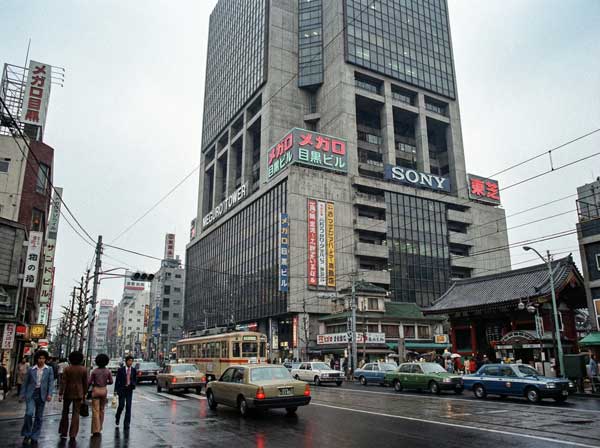
水曜日の午後一時過ぎである。
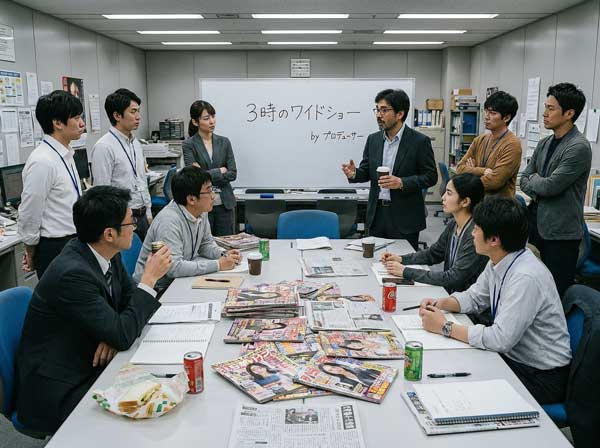
東京、目黒のテレビ9チャンネル6階の本読み室続きの静かな通路に突然ヒールの音を響かせて二人の女がエレベーターから出てきた。やがて左手奥にF本読室のプレートを見つけ、先に立った方がノックする。二人は地下の喫茶室から飲み物を運んで来たウェイトレスたちであった。
「どうぞ」の声にドアを開けるとタバコの煙の中に男たちの話し声がする。
「失礼します、ご注文のお飲み物をお届けに参りました」
女たちは丁寧に礼をすると、二手に分かれた。
締め切った部屋の天井にタバコの煙を輪っかにして飛ばしている男がいる。
「事件って、一体どんなことやるの?」
「女の事件ですが…」
そう答えた方は明らかに叱られているかのような態度を取っている。が、単にそう振る舞っているだけで、伏し目勝ちに資料を見るふりをしている態度はむしろ相手を食っている。
「未婚の母とか、女性解放運動みたいなこと?」
上から目線でそう答えた男は意外にも童顔である。落ち着きなく身体を左右にひねって子供が駄々をこねていると見えなくもない仕種をしている。
「いや、もっと具体的な事件をあつかうつもりでいるんですが」
相手を食っている割に言葉はなお一層へりくだった感があった。
「たしかに事件は人目をひくけど、通り一遍の取材じゃ面白くないでしょう。一週間に一本のペースではたしてどの程度のものができるかね。女の事件やって成功したためしがない。他局がちょいちょいシリーズで出すけど、さっぱり面白くないね。何でだろう…」
この部屋で先ほどから唯一天井向いて喋っていた男は、側に来たウェイトレスに飲み物を聞かれて坐り直した。局の宮崎プロデューサーである。彼は構成作家遠山の企画に漠然とだがまずは疑問符をつけたところだった。
「もう視聴者の方がそんな話題にあきて来たところもあるでしょう。普通の主婦層にとって、未婚の母もキャリア・ウーマンも女性解放運動も、またかって感じで受け止めていると思いますね」
遠山は説得を試みたが、宮崎はそれに応えず、橋本葉子へ笑みを向けた。
「橋本さんはこの中でただ一人の女性なんだけど、女の事件について意見はある?」
「女の事件なら、あたしは…」
彼女はタバコに火をつける間言葉を切って、別に慌てた風もなく続けた。
「むしろ、未婚の母とかキャリア・ウーマンをやりたいな。宮崎さんが処理の仕方でもっと面白くなるってこの前言われたけど、あたしもそう思う。大体、女性だから芸能とファッションみたいな見方は古いのかも知れないわ。男の論理で考えちゃうと面白くないことが、女から見たら結構面白い場合だってあるんだから」
彼女はおかっぱの髪の先を無意識にさわる癖がある。タバコを指に挟んで、今もそれをやっている。そして、目は若いウェイトレスの動きにそれとなく視線を泳がせている男たちに向けている。
【Chapter 2 — English Version】
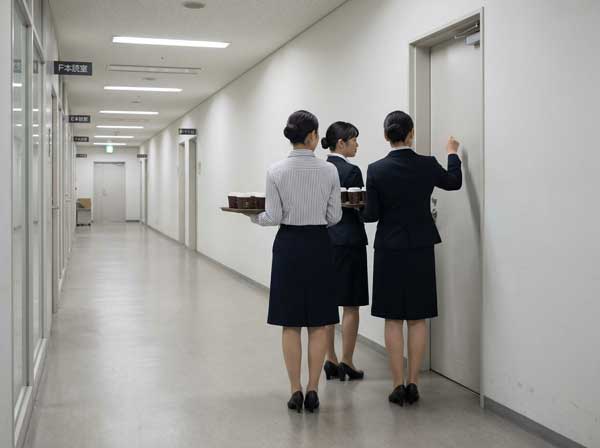
It was a little past one o’clock on Wednesday afternoon.
On the quiet sixth‑floor corridor of Channel 9 Television in Meguro, the sharp sound of heels suddenly echoed as two women stepped out of the elevator. They were waitresses from the basement café, carrying drinks. Spotting the plate marked “F Script Reading Room” at the far left, the one in front knocked on the door.
A voice from inside called, “Come in.”
When they opened the door, cigarette smoke drifted out, along with the murmur of men’s voices.
“Excuse us. We’ve brought the drinks you ordered.”
The women bowed politely and split into two directions.
One man, who had been blowing smoke rings toward the ceiling of the closed room, spoke without looking down.
“So, what kind of cases are we talking about?”
“It’s about women’s cases…”
The man answering sounded as if he were being scolded, though he was only pretending. His lowered eyes on the documents were more of a challenge than submission.
“Like unwed mothers? Women’s liberation movements?”
The man who replied in a condescending tone had a surprisingly boyish face. He twisted his body restlessly, almost like a child throwing a tantrum.
“No, I’m thinking of dealing with more concrete incidents.”
Despite his defiant attitude, his words came out even more humble.
“Sure, incidents attract attention. But with superficial reporting, it won’t be interesting. Producing one episode a week… how good can it really be? Programs about women’s cases never succeed. Other stations try series from time to time, but they’re never any good. I wonder why…”
The man who had been speaking to the ceiling finally sat up straight when a waitress approached to ask for his drink order. He was Miyazaki, the station’s producer. He had just expressed his vague doubts about Toyama’s proposal.
“Viewers are getting tired of those topics anyway. For ordinary housewives, unwed mothers, career women, women’s liberation… it all feels like ‘here we go again.’”
Toyama tried to persuade him, but Miyazaki ignored him and turned to Hashimoto Yoko with a smile.
“Hashimoto, you’re the only woman here. What do you think about programs on women’s cases?”
“Well, if it’s about women’s issues, I’d actually like to do unwed mothers or career women.”
She paused to light a cigarette, then continued without any sign of haste.
“Miyazaki, you said the other day that the way we handle it could make it more interesting, and I agree. Besides, assuming women only care about entertainment or fashion is outdated. Things that seem dull from a male perspective can be surprisingly interesting from a woman’s point of view.”
She had a habit of touching the ends of her bobbed hair without thinking. Holding the cigarette between her fingers, she did it again now, her eyes drifting toward the men who were discreetly watching the young waitresses move around the room.
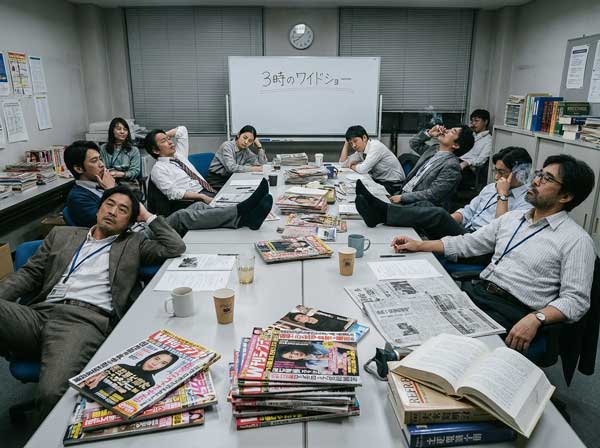
「どうもありがとうございました」と、ウェイトレスたちも部屋を出て行って、少し座に空白が訪れた。
「未婚の母なんかに女の論理もあるもんか」と、ネクタイでしめ上げた首筋に血管を浮かび上がらせて鼻で笑った男は、極東プロダクションの社長戸崎である。番組の多くはプロダクション制作に切り替わっていたが、『三時のワイドショー』もその例にもれず、極東プロ他数社が番組制作に参入していた。ちなみに、極東プロの担当は月曜日である。
「現実にはそういう風に押し切られちゃうんですけど、人権意識の薄い日本という国をもっと何とかしなきゃと女性なら感じていることはたしかですよ。あたしは未婚の母だって女性解放運動だって、もっと大々的にやった方が世の中は明るくなると思いますけど」
橋本は二十五歳の独身女性だった。
「あまり深刻なものは敬遠されるし、ハッピーなものばかりじゃつまらないし、ワイドショーなんてのも考えてみればむずかしいよね。MCのキャラクターで決まる場合もあるでしょう」
戸崎は、議論をMC(司会者)に転じた。
俳優清水大介が番組の月曜から金曜の通しのMCだったが、視聴率の伸び悩みの原因は彼の舌足らずな素人並のトークにあると公言する者もいた。しかし、制作スタッフの力もMCの非力を補うところまでいっていないのもまた事実だった。第一に人手不足である。
「多くの俳優を手がけて来た宮崎さんの目から見てどうなんです、役者としての彼は…」
戸崎は、明言を避ける者たちに微苦笑を投げかけると、隣の宮崎に顔を巡らせた。
「それを俺の口から言わせようというの」と、ドラマ班二十年のキャリアの宮崎も容易に乗って来ない。
「番組の処理を考えると、MCが重要になってくるのは当然ですよ」
ここで、極東プロの制作部長瀬川が口をはさんだ。メガネの奥に神経質なしわを寄せている。彼も戸崎同様テレビ9チャンネル出身で、プロダクション旗揚げ組のメンバーだが、戸崎がバラエティー専門なのに対し、瀬川はドラマ畑を主に歩いてきた経歴を持つ。彼は三十代後半だが、戸崎と宮崎は四十代だった。
遠山は会議の流れを危ぶむように視線をあちこちに投げていたが、彼の口をついた次の一言によって話し声はピタリと止まった。
「手始めに《子殺し》事件をやってみようかと思っているんですがね」
「子殺し!」
最近D(ディレクター)に昇格したばかりの江藤がすっとん狂な声を上げた。
「この頃、駅のロッカーなんかに生まれて間もない嬰児を捨てる事件が相次いでいるでしょう。昨年の暮れ頃から急に増えて来ている。中には、子供を生んだ側から床下に埋めちゃうなんて乱暴な事件も起こるしまつです」
「残酷な母親もいたもんだな。自分の生んだ子供を殺すっていうのはどういう心理だろうかね。事件の度に学者先生が出てきていろんなことを講釈しているけど、まったく訳がわからない」
戸崎は首をしめつけるネクタイをゆるめた。銀縁メガネの奥の目はとがっている。
「暗い話題だね。毎週《子殺し》事件をやるの?」
宮崎は遠山から顔をそむけるようにして今度はズボンの糸クズを取っている。
「いえ、一例ですよ、もちろん。《子殺し》事件そのものより、女性に関連した事件というとらえ方をしてみたいんです。今までのような、一律戦後日本の女性の権利の芽生えみたいな視点とは逆に、負の部分にも光をあててみようかなと…」
しかし、宮崎の口は冷ややかなほど動かなかった。このまま無視すれば遠山の顔をつぶすことになる。
「駄目ですかね」と、珍しく遠山が未練たらしく情けない顔をした。
「取材がきちんとできれば、価値はある。大丈夫と思うならやったら良い」
宮崎の表情はおだやかだが、その口調は突き放すような響きがあった。
皆の視線は隣の戸崎に集まったが、彼は固く口を閉ざしたままである。と言って、渋面を作っていないのは頭からの否定ではないことを周囲に感じさせた。瀬川はと見れば、彼も口をはさむ気配はない。
「来週のDは誰なの? まさか、江藤君じゃないだろうな」
凍りついた座に宮崎は冗談を飛ばしたが、誰も笑わなかった。
“Thank you very much,” the waitresses said as they left.
A brief silence settled over the room.
“To think there’s some kind of ‘female logic’ behind unwed mothers—what nonsense.”
The man who snorted through his nose, the veins rising on his neck above a tightly pulled tie, was Tozaki, president of Kyokutō Productions.
Most programs had already shifted to outside production companies, and The Three O’Clock Wide Show was no exception. Kyokutō Productions, along with several others, had joined the production lineup. Kyokutō was responsible for the Monday segment.
“In reality, yes, women do get pushed aside like that. But any woman can tell you that Japan’s weak sense of human rights needs to change. I honestly think the world would be brighter if we tackled things like unwed mothers or the women’s liberation movement more openly.”
Hashimoto was a twenty‑five‑year‑old single woman.
“Serious topics tend to be avoided, but shows that are all happy fluff are boring too. Wide shows are tricky when you think about it. Sometimes everything depends on the MC’s personality.”
Tozaki shifted the discussion toward the MC.
The actor Shimizu Daisuke served as the weekday MC from Monday through Friday, but some openly claimed that the stagnant ratings were due to his slurred, amateurish delivery.
At the same time, it was also true that the production staff wasn’t strong enough to compensate for his weaknesses. Above all, they were short‑handed.
“Miyazaki, you’ve worked with so many actors. What do you think of him—as an actor?”
Tozaki cast a wry smile at those avoiding a clear answer, then turned to Miyazaki beside him.
“So you want me to say it?”
Even with twenty years in the drama division, Miyazaki wasn’t about to take the bait.
“When you think about how the program is structured, of course the MC becomes important.”
At this point, Segawa, the production chief of Kyokutō, cut in.
Behind his glasses, fine nervous wrinkles tightened. Like Tozaki, he had come from Channel 9 and was part of the founding group of the production company. But while Tozaki specialized in variety shows, Segawa had spent most of his career in drama. He was in his late thirties; Tozaki and Miyazaki were in their forties.
Toyama, sensing the meeting drifting off course, let his eyes wander anxiously around the room. Then he spoke—and the room fell silent.
“I’m thinking of starting with a child‑killing case.”
“Child‑killing!”
Eto, who had only recently been promoted to director, let out a shrill cry.
“These days, there’s been a string of cases where newborn infants are abandoned in station lockers. The numbers have shot up since late last year. Some mothers even bury the baby under the floor right after giving birth. It’s outrageous.”
“There are some cruel mothers out there. What kind of psychology leads a woman to kill her own child? Every time it happens, some academic shows up to lecture us, but none of it makes any sense.”
Tozaki loosened his choking tie. Behind his silver‑rimmed glasses, his eyes were sharp.
“That’s a dark topic. Are you planning to do a child‑killing case every week?”
Miyazaki turned his face away from Toyama and began picking lint from his trousers.
“No, of course not. That’s just one example. Rather than focusing on child‑killing itself, I want to look at incidents related to women. Instead of the usual postwar narrative about the rise of women’s rights, I’d like to shine a light on the darker side as well…”
But Miyazaki’s mouth remained coldly still.
If he ignored Toyama any longer, it would humiliate him.
“Is it no good?”
Toyama, unusually, looked genuinely crestfallen.
“If the reporting is solid, it has value. If you think you can do it, then do it.”
Miyazaki’s expression was gentle, but his tone carried a dismissive edge.
Everyone’s eyes shifted to Tozaki, but he kept his mouth firmly shut.
Still, the absence of a scowl suggested he wasn’t rejecting the idea outright.
Segawa, too, showed no sign of speaking.
“So who’s directing next week? Don’t tell me it’s Eto.”
Miyazaki tossed out the joke into the frozen room, but no one laughed.
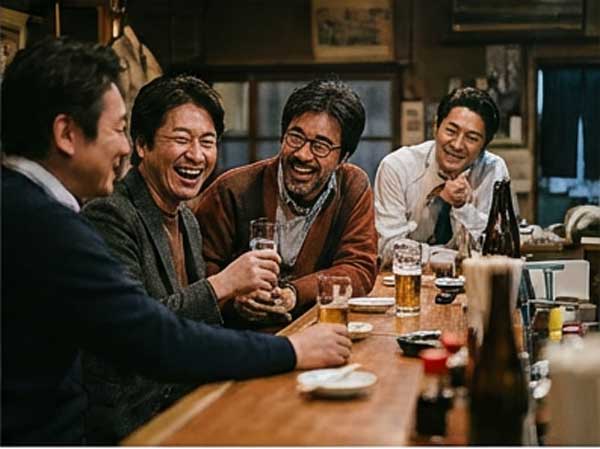
「木本さんですよ」と、江藤は乱暴にタバコをくわえて箱をほうり出した。
一年先輩に当たる木本は江藤にとって目の上のたんこぶであった。二人は何かにつけて衝突する。今もそっぽを向きあって、名前を呼ばれても木本はテーブルに肘をついたまま見向きもしなかった。
「瀬川さんはもうやらないの」
宮崎はそんな木本を無視して瀬川の方に笑みを投げた。
「四月からスタートするドラマの撮りに入っているから、しばらく本番からはずれる」と、戸崎が代わって説明した。
宮崎はそうとうなずき、脚を組み替えた。
「何なら、ぼくが穴埋めに、ローテーションに入っても良いですよ」
「何も、極東プロの御大がしゃしゃり出なくても良いじゃない」と、宮崎は目尻に皺を寄せて無邪気に笑った。
「しかし、瀬川さんはすっかりドラマづいちゃっているみたいだね。ワイドショーはお見限りか」
「本番だけなら出ますよ」と、瀬川は哀れな手下共の方をあごでしゃくりながら言った。
「サブに坐るの?」
スタジオ中二階のサブ(副調整室)の中央がディレクターの席であった。Dはその席からスタジオ一階のフロアに向かって細かい指示を出すのである。当然Dは番組制作現場の実権を握っていた。
「まあ、フロアで彼らの手助けをする程度なら可能だけど」と、戸崎もやや妥協を見せた。
宮崎は鼻先をこすって顔をしかめ、きちんと背筋を伸ばすと、胸ポケットからメモを取り出した。座も一様に緊張を見せ、姿勢を正しペンを持ったりする。
「実は、報道の方からの要請で、民政党総裁が決まったら、それで行くことになった。何曜日になるか分からないけど、局では新総裁をスタジオに招くと言っている。他の曜日のスタッフとも相互に連絡を取って、政局の動向を追わなければならない。出演交渉は基本、報道がするから、木本君なり江藤君なりがそれをフォローしてもらわないと困るよ」
窓のない部屋に外からの空気が流れ込んだように座は活気を取り戻した。テレビ局の特性が皆に再認識されたのである。
「そりゃ、特別番組をやるという意味ですか」と、木本が仰天したように身を乗り出した。
「いや、番組の枠内でやる。特番には違いないけど、MCもスタッフも『三時』でやれとのことらしい」
「じゃ、二チームを作って対処するしかないですね。政局を追うチームと、通常の番組を段取るチームと…」
木本はリーダーシップを見せようとしたが、席上から何の反応もなかった。
「政局の方は江藤君と橋本さんでやったらどう」
宮崎がお気に入りの二人を指名する。
「江藤を一週間べったり持っていかれるのはまずいな」と、戸崎が難色を示した。と言って適当な人材はと席上の面々に視線を走らせるが、苦笑と共に断念した。
「江藤を取られたとして、通常の番組は何とかなりそうか」
「木本一人じゃ無理ですよ、取材とかありますしね」
即座に瀬川が答えた。
「じゃ、《子殺し》取材は遠山さん一人?」
宮崎はまた目尻に皺を寄せた。
「まさか一人じゃ無理だと思うんですけど、大宮君って言ったっけ、君が一緒に来てくれるとありがたいんだけど、社長、彼を貸してくれませんか」
「そうか、大宮を使うという手もあるな」
皆の視線が向けられたとき、大宮は週刊誌を膝に置いたまま、長い前髪をたらしてうとうとしかけていた。遠山にそうするように言われていたのである。
「あたしが手伝いましょうか」と、橋本葉子が見かねて遠山の耳元で言ったが、
「いや、君にはデスクワークをやってもらわないと」と、慌てて手で制した。
「それじゃ取材は二人に任せることにして、後継総裁の方は江藤君がフォローする。そして、芸能コーナーは木本君と橋本さんのペアかな」
宮崎は早めに切り上げたいらしく、机のものを片づけ始めた。
「いっそのこと瀬川さんにDをやってもらったらどうでしょう。総裁選の方は江藤一人じゃ手に余ってくるでしょうから、ぼくも動きますよ」
木本は宮崎にこれ以上遠回しにいびられるのはご免こうむるとDを投げ出す気になったらしく、思い切った意見をはいた。
Eto clenched a cigarette between his teeth and tossed the pack aside.
“It’s Kimoto,” he muttered.
Kimoto, a year senior to Eto, had always been a thorn in his side.
The two clashed over anything and everything. Even now, Kimoto sat turned away, his elbow on the table, refusing to look up even when his name was called.
“Segawa’s not doing it anymore?”
Miyazaki ignored Kimoto’s attitude and flashed a smile toward Segawa.
“He’s started shooting a drama that begins airing in April, so he’ll be off the live show for a while,” Tozaki explained in his place.
Miyazaki nodded deeply and crossed his legs.
“Well then, I could fill in. Join the rotation if needed.”
“Oh, come on. We don’t need the great master of Kyokutō Productions barging in,” Miyazaki said with a playful grin, the corners of his eyes wrinkling.
“But Segawa seems completely absorbed in drama work now. Has he abandoned the wide show?”
“I’ll show up for the live broadcast if you want,” Segawa replied, jerking his chin toward his pitiful underlings.
“You’ll sit in the sub?”
The director’s seat was in the middle of the sub-control room on the studio’s mezzanine.
From there, the D issued detailed instructions down to the first-floor studio floor. Naturally, the D held the real power on-site.
“Well, I could help them out on the floor, at least,” Tozaki conceded a little.
Miyazaki rubbed the tip of his nose, straightened his back, and pulled a memo from his breast pocket.
The room collectively stiffened; people straightened their posture and picked up their pens.
“Actually, we’ve had a request from the news division. Once the Minseitō president is chosen, we’ll move on that. I don’t know which day it’ll fall on, but the station wants to bring the new party president into the studio. We’ll need to coordinate with the staff from the other days and follow the political situation closely. Negotiations for the appearance will basically be handled by news, but I’ll need Kimoto or Eto to follow up.”
It was as if fresh air had blown into the windowless room; the atmosphere brightened.
Everyone was reminded of what a TV station really was.
“So… you mean we’re doing a special program?” Kimoto leaned forward, startled.
“No, within the regular time slot. It’s still a special, but they want the MC and staff of Sanji to handle it.”
“Then we’ll need two teams. One to follow the political situation, and one to handle the regular show…”
Kimoto tried to show leadership, but no one reacted.
“How about Eto and Hashimoto handle the political side?”
Miyazaki named his two favorites.
“It’s a problem if Eto gets taken for a whole week,” Tozaki objected.
He glanced around the table for a suitable replacement, but after a few strained smiles, gave up.
“If Eto’s taken, can we still manage the regular show?”
“Kimoto alone can’t do it. There’s field reporting too,” Segawa answered immediately.
“So Toyama will cover the child murder case alone?”
Miyazaki’s eyes crinkled again.
“No way he can do it alone. Ōmiya, was it? I’d appreciate it if you could go with him. President, could we borrow him?”
“That’s true… using Ōmiya is an option.”
All eyes turned toward Ōmiya, who had a weekly magazine on his lap and was dozing off behind his long bangs.
Toyama had told him to pretend to be asleep.
“I can help,” Hashimoto Yōko whispered into Toyama’s ear, unable to watch any longer.
“No, I need you on desk work,” he said quickly, waving her off.
“Then Toyama and Ōmiya will handle the reporting. Eto will follow the new party president. And the entertainment segment will be Kimoto and Hashimoto.”
Miyazaki began tidying the table, clearly eager to wrap things up.
“Why not have Segawa direct? The presidential race will be too much for Eto alone, and I’ll help too.”
Kimoto, tired of Miyazaki’s roundabout jabs, seemed ready to throw the director’s job away and offered the bold suggestion.
そのとき、部屋のドアが遠慮勝ちに開いて、秋口が顔をのぞかせた。広告代理店の企画制作部に所属する彼は遅刻の常習犯だった。後から入って来た放送作家の吉川も赤い顔をして頭をかくことしきりである。遠山をふくめ三人が交代で『三時のワイドショー』月曜日班を担当していた。
秋口は江藤の会議メモを見て目をむいた。
「おいおい、《子殺し》やるの?」
橋本の脇に坐った吉川も驚いた目を上げる。
「昼間の三時に《子殺し》はないよ。視聴者は家庭の主婦だからね」と、秋口はさっそくケチをつける。
「意外性があっておもしろいじゃない」と、吉川の方は乗り気である。
「意外性は必要だけど、こりゃちょっと意外過ぎないか。俺はドラマなら《子殺し》大賛成だな。最近の《子殺し》事件を見てると何かある。絶対何かある。それは分かるんだ。ドラマの脚本だったら俺は書く。芸術祭参加作品で、三時間打ち抜きでやるわけよ。書けると思うんだ」
事件が連鎖反応的に起こっている以上、かならずそこには模倣があるはずで、犯行の裏には共通の動機が隠されていると秋口は主張した。
「それは違うな。ドカーンと三時間のドラマで芸術祭なら《子殺し》でなくて良いじゃない。この手の事件は生でやるところに迫力もあろうってもんだ。真っ昼間の三時だから合ってると思うな。ドラマにしたら難しいと思うね。ドラマは日常性を殺しちゃう。生番組は《子殺し》みたいな事件をあつかうと逆にいきるよ、きっと」
「いや、犯罪者は絶対メッセージを発しているって…。それを探るのはドラマだぜ」
二人のやりとりは遅刻を必死に挽回しようとする熱気が感じられた。
「取材はどんな風にやるつもりでいるの?」と、秋口は遠山に目を戻した。
「うん、まだ決めていない…」
遠山はようやくコーヒーに砂糖を入れてかき混ぜ始めた。
「なあ、大宮がやるんだよな」
江藤がからかい気味につけ加えた。
「大宮君が取材やるの? 大丈夫かい」と、秋口は信じられないという顔をした。
席上から笑いがもれたが、
「来週の月曜は新総裁を招くことになるかも知れないから、人手が足りないんだよ」と、戸崎が苦笑気味に説明する。
「いや、彼を指名したのは、ちゃんと勝算があってのことですから」と、遠山は大宮に笑みを向け、意味ありげにうなずいた。
「でも、危ねえな…」と、秋口は、遠山がまだ口を付けていないコーヒーを奪うと、ずるっと一口飲んで顔をしかめた。
「彼はドラマから移ったばかりで、これが初仕事だから、あたたかく見守ってやって」
瀬川がかばった。初仕事と言っても、大宮が局のドラマ番組のADを外されて一ケ月が経過していた。その間、彼は極東プロ制作のこのワイドショー番組に移されたが、こちらでもお荷物的存在だったのである。
「北見のドラマについていたんだよ」と、戸崎は宮崎の方に太った首を巡らした。が、宮崎は何も応えない。彼は伸びをするように立ち上がって、
「それじゃ、皆さんいい番組を期待していますよ」と卓上のタバコをポケットにしまった。
座は一気に解散の空気に支配されて、あちこちで雑談の輪ができた。遠山は一度大宮と目を合わせたが、すぐに背を向けるようにして、江藤たちの輪に加わって、子殺し事件のことなどなかったかのようにふるまっている。宮崎は戸崎と談笑しながら部屋を出て行った。大宮だけが一人取り残された格好のまま寂しそうな表情を浮かべていたが、遠山が目立たないように一本指をたてた合図にかすかに反応して椅子を引いて立ち上がった。
Just then, the door opened hesitantly and Akiguchi peeked inside.
He belonged to the planning and production division of an ad agency, and was notorious for being late.
Right behind him came the scriptwriter Yoshikawa, his face flushed as he scratched his head repeatedly.
The three of them—Akiguchi, Yoshikawa, and Tōyama—took turns handling the Monday team of The Three O’Clock Wide Show.
Akiguchi glanced at Eto’s meeting notes and his eyes widened.
“Hey, hey… we’re doing child murder?”
Yoshikawa, seated beside Hashimoto, also looked up in surprise.
“No way you can run child murder at three in the afternoon. The viewers are housewives,” Akiguchi immediately complained.
“But that’s what makes it interesting—unexpected,” Yoshikawa said, already enthusiastic.
“Unexpected is fine, but this is too unexpected. If it were a drama, I’d be all for it. There’s something going on with these recent child murder cases. Definitely something. I can feel it. If it were a drama script, I’d write it. A three‑hour special for the Arts Festival. I could do it.”
Since the incidents were happening in a chain reaction, Akiguchi insisted there had to be imitation involved, and behind the crimes a shared motive must be hiding.
“That’s not it. If you’re doing a big three‑hour drama for the Arts Festival, it doesn’t have to be child murder. This kind of case has more punch when it’s done live. Three in the afternoon is exactly right for it. A drama would kill the everyday reality. A live show brings a case like this to life.”
“No, no—criminals always send a message. That’s what drama is for.”
Their exchange carried the heat of two men desperately trying to make up for being late.
“So how are you planning to cover it?” Akiguchi turned back to Tōyama.
“Well… I haven’t decided yet.”
Tōyama finally began stirring sugar into his coffee.
“Hey, Ōmiya’s doing it, right?”
Eto added teasingly.
“Ōmiya-kun is doing the reporting? Is that safe?”
Akiguchi looked genuinely incredulous.
Laughter rippled around the table.
“We might have to bring the new party president in next Monday, so we’re short on hands,” Tozaki explained with a strained smile.
“No, I chose him because I do have a plan,” Tōyama said, giving Ōmiya a meaningful nod and a small smile.
“Still risky…”
Akiguchi grabbed Tōyama’s untouched coffee, took a loud sip, and grimaced.
“He just transferred from drama, and this is his first assignment. Be kind to him,” Segawa defended.
It was true that although this was called his “first job,” a month had already passed since Ōmiya had been removed from the station’s drama division as an AD.
He had been reassigned to this wide show produced by Kyokutō Productions, but even here he was treated like excess baggage.
“He was on Kitami’s drama,” Tozaki said, turning his thick neck toward Miyazaki.
But Miyazaki said nothing. He simply stood up, stretching as he did.
“Well then, everyone—I’m expecting a good show,” he said, slipping the cigarettes from the table into his pocket.
The room instantly shifted into a mood of dispersal, small groups forming here and there in casual chatter.
Tōyama met Ōmiya’s eyes once, but quickly turned away, joining Eto’s group and acting as if the child murder case had never been mentioned.
Miyazaki left the room chatting with Tozaki.
Ōmiya alone remained, looking abandoned and lonely.
But when Tōyama subtly raised a single finger in a discreet signal, Ōmiya reacted faintly, pulled back his chair, and stood up.
第三章【Chapter 3】

大宮が王子に着いたのは朝の八時過ぎだった。バス停で待っても遠山は中々来ない。目の前を次々とバスが出てゆく。
「大宮君!」
遠山はタクシー乗り場で手をあげ、タクシーで行こうと合図でしらせた。大宮はデンスケを脇に抱き、彼のもとにかけ寄った。
「約束は八時半だけど間に合うかな」
「あと十分しかないですよ」
「いゃあ、出がけに事故があってさ、電車が動かねえんだわ。女の飛びこみ自殺だけどね」
「飛びこみ! 死体を見ましたか」
「まさか。俺はそんなの弱いから駄目だよ」と、遠山は首をすくめた。
タクシーはすぐに来た。
パチンコ店『五十鈴』と桜井陽司の入院している沢地病院の位置関係を一目で分かる手描きの地図を作ってくれと、遠山は王子の地図を渡した。
また、彼は電話取材のことも話した。
「桜井陽司の妹、川越貞子という女性が店をやっているのはあの男の話と一致した。が、里子が二年前の五月から二か月ほど店で働いていたらしい。赤ん坊を背中におぶって店に出勤していたというんだがね」
「それが?」
「狂っている女がそんなことするか? どうも、あの夫の言っている事は信頼できんね」
「彼、ぼくと同じ歳ですよ」
「いくつ?」
「二十五です」
「二十五か、俺がその頃はラジオでドキュメンタリーやってたな」
「何年前ですか」
「さぁ、十五六年前かな。結婚して、最初の子が生まれて、その子を肺炎で亡くした歳だな。何だ、あいつと同じような境遇だったんだ、俺って…」
遠山は他人事のように笑った。
窓の外は渋滞が始まっていた。路面を走る流線形の車体に朝の光がまぶしく反射している。しばらくして遠山がまた口を開いた。
「桜井陽司って人は里子の事件を知らされていないらしいんだ」
「本当ですか」
大宮は遠山の横顔を見守った。
「ショックを与えると良くないという病院側の判断だろうが、何か変じゃない?」
遠山は前を向いたまま小首を傾げた。
「突撃取材でもやってみますか」と、大宮は勢い込んで言った。
「われわれは刑事じゃないんだ。いかに面白く番組を作るかが第一義さ。それだけ考えていれば良い、と言うのは冗談。しかし、大勢はそうだ」
遠山は大宮を見ると、ニヤリと笑った。
「テレビ9チャンネルの『三時のワイドショー』か、電話であらましおうかがいしたが、さて、ご期待にそえるか」と、沢地病院長の沢地勇三は遠山の名刺を一瞥しただけで、それを大机に無造作に置いた。
「桜井陽司さんの担当医師を呼んだので今しばらく待っていただこうか」
肉付きの良い身体をソファに運んで来ると、二人にも席をすすめた。あごが特別張っている。間もなく、桜井陽司の担当医師が入室し、
「山藤と申します」と無愛想に言って、院長の脇に小さくなって坐った。
「テレビも面白い企画を考えるものだな」と、沢地はことさらに笑ったが、大宮がデンスケのスイッチを入れ、マイクを向けると急に笑いをおさめた。
「ところで、桜井さんの件についてだが、彼は友人といっても、そう深い付き合いはない。どういうところから僕が彼の友人、というようなことを」と、沢地は長い葉巻をくわえた。長顔、脂ぎった皮膚、ベッコウ縁のメガネに威圧感のあるどんぐり眼を隠している。歳は六十とも七十とも取れた。

Chapter 3 — English Version (Part 1)
Omiya arrived in Ōji a little after eight in the morning.
He waited at the bus stop, but Tōyama didn’t show.
Buses kept pulling out one after another in front of him.
“Omiya-kun!”
Tōyama raised his hand from the taxi stand, signaling that they would go by cab.
Omiya tucked the portable recorder under his arm and hurried over.
“Our appointment’s at eight-thirty. Think we’ll make it?”
“We’ve only got ten minutes left.”
“Well, there was an accident just as I was leaving home. The trains stopped. A woman jumped in front of one.”
“A jumper? Did you see the body?”
“Of course not. I can’t handle that sort of thing,” Tōyama said, shrugging his shoulders.
A taxi arrived almost immediately.
Tōyama handed Omiya a map of Ōji.
“Make me a hand‑drawn sketch showing the relationship between the pachinko parlor Isuzu and Sawachi Hospital, where Sakurai Yōji is admitted. Something you can grasp at a glance.”
He also mentioned what he’d learned from phone interviews.
“Sakurai’s sister—Kawagoe Sadako—running that shop matches what the man told us. But apparently Satoko worked there for about two months, starting in May two years ago. They say she came to work with her baby strapped to her back.”
“And?”
“Would a deranged woman do that? I don’t trust what that husband of hers says.”
“He’s my age, you know.”
“How old?”
“Twenty‑five.”
“Twenty‑five, huh. When I was that age, I was doing radio documentaries.”
“How many years ago was that?”
“Oh, fifteen or sixteen, I guess. The year I got married, had my first child… and lost that child to pneumonia. Funny—I guess I wasn’t so different from that guy.”
Tōyama laughed as if it were someone else’s story.
Outside the window, traffic was beginning to thicken.
The streamlined bodies of cars glinted sharply in the morning sun.
After a while, Tōyama spoke again.
“Apparently Sakurai Yōji hasn’t been told about Satoko’s case.”
“Really?”
Omiya watched Tōyama’s profile.
“The hospital must think the shock would be bad for him. But doesn’t it seem strange?”
Still facing forward, Tōyama tilted his head slightly.
“Should we try a surprise interview?” Omiya said, suddenly energized.
“We’re not detectives. Our job is to make an interesting program—that’s the first priority. Well, that’s half a joke… but most people do think that way.”
Tōyama glanced at him and grinned.
“Channel 9’s Three O’Clock Wide Show, is it? I heard the outline over the phone, but let’s see if I can meet your expectations,”
said Sawachi Yūzō, director of Sawachi Hospital, giving Tōyama’s business card only the briefest glance before dropping it casually onto his large desk.
“I’ve called in Sakurai Yōji’s attending physician. Please wait a moment.”
He carried his heavyset body over to the sofa and gestured for the two of them to sit.
His jaw was unusually prominent.
Soon, the attending physician entered.
“I’m Yamafuji,” he said curtly, sitting small beside the director.
“Television comes up with amusing ideas these days,” Sawachi said with exaggerated laughter.
But when Omiya switched on the recorder and pointed the microphone toward him, he abruptly stopped laughing.
“About Sakurai… even if you call us friends, we weren’t particularly close. I’m not sure where the idea came from that I was his friend,”
he said, clamping a long cigar between his lips.
His long face, oily skin, and tortoiseshell glasses hid a pair of intimidating, acorn‑like eyes.
He could have been sixty or seventy.

遠山は桜井陽司の妹からの情報だと正直に答えた。沢地はすぐに納得したようだった。
「まあ、参考になるかどうか、桜井さんがあの女の子を養女にしたことは僕も聞いていた。そもそも、彼が僕の病院に、あの子を連れて来たのが、十年も前のことだったかね…」
「八年前に養女になっていますが」
「そう、その頃だと思う。君は知っているかね、あの子は桜井さんに拾われたのを」
「拾われた? と、申しますと」
「拾われたのだよ。その日、僕の病院に二人で現れてね、僕がその子はどうしたのって聞いたら、そこで拾ったと、こう言うんだ。犬や猫じゃあるまいし、人間を拾ってくる人がありますかって笑ったんだがね。ところが、冗談でもないようなので、驚いたよ」
「この近所、ですか?」
「この先に坂があるだろう。何丁目かね、交差点の信号機の下にうずくまっていたと言うんだ。ちょっと身体の具合を診てくれと連れて来たのだがね」
沢地はその方向を差したが、その手で太った首の根っこをさする。
「へえ、そうだったんですか」と、遠山はようやくうなずいた。
「どこからか家出でもして来たんだろう。両親は、住所は、ってたずねても首をふるだけで何も答えない。名前も言わない。そのうち泣き出してね、…。桜井さんの顔に免じて診てやったけど、本来ならどこの誰とも分からないような患者は絶対診察しない。たいした美談だよ、まったく」
沢地は剛胆さをよそおいながらも火をつけない葉巻を神経質に指でもてあそんでいる。
「どこが悪かったのですか」
「カルテがないからね、別にたいしたことはなかったと思うね」
「で、その後、桜井さんはどうなさったのでしょう」
「さて、よくわからんね。両親を早くに亡くしていて、親類の家を転々とするうちに篤志家の桜井さんに拾われた、と、筋書はそんなところだろうね。間もなく、彼の養女になったのだから」
沢地はそわそわとして落ち着かなくなった。そして、側の若い医師に一言二言耳打ちした。
「街で拾ったくらいで養女にする。桜井さんという人はどんな方なんですか」
「さあ、そのへんの事情は本人に聞いてみないと、他人の僕には何とも言えんが」
「彼女が見舞いにおとずれていたときの様子はどうでしたか」
「君の方から答えなさい」
沢地は山藤をうながした。
「はあ、特に変わった様子はなかったですが」と、山藤は窮屈そうに答えた。
「どのくらいの間隔で見舞っていたのでしょう」
「さあ…」と、山藤は記憶を呼び起こそうと首をひねる。大宮のマイクは話を引き取る気配の沢地へ戻った。
「実はね、僕の方から面会をさしひかえるように言ったことがあるんだ。あの子が来ると、桜井さんの血圧が上がるのでね。電話でもお話したように、病人は完全に危機を脱していない。だから、あの子の引き起こした事件のこともしらせていないし、ナースその他にもその点を厳重に注意してある。今でも、当人はあの子がいつも通りの暮らしをしているものと思いこんでいる。手を引いていた幼児をまさか殺したなどとは、それこそ夢にも思っていないだろうね。まったく、信じられないとはこのことだよ」
沢地は落胆の色を浮かべたが、あらかじめ用意されていたことでもあるかのように、それがうまい具合に当人への取材禁止の理由にもなっていた。
遠山は大宮の方をちらっと見て、聞きたいことはないかと目で伝えた。
「院長は彼女にどんな印象を持たれましたか」
大宮は彼の意を察知してすぐに聞いた。
「どんな女って、普通の若い娘としか言いようがないね。若いのにめずらしく世話好きのところがあって、桜井さんのことをかいがいしく看ていたよ。逃げた奥さんや子供より、よほど孝行を尽くしていたんじゃないだろうかね」
「それをどうして面会を止められるようになさったのですか」
遠山は間を置かず畳み掛けた。
「うん、二人のことを考えると、ちょっと辛い気がしたが、会うたびにガタッときちゃう身体だもんでね。双方に説得して、しばらくひかえさせることにした。だから、この頃は起きられるくらいにまで回復している。うまく行けば退院にまでこぎつけるかもしれない」
沢地は担当医の方を目でうながした。
「ええ、大分良くなられました」と、山藤は卑屈なほどに従順である。
「桜井さんはいつからこの病院に入院されたのですか」
遠山は手帳のメモを繰る。
「二年前の秋からだと思うが」
「脳溢血で倒れられたのが三年前の六月です。途中で移られたのですか」と、遠山は院長に目を上げた。
「僕は知らなかったのだよ、一年もの間…。人から聞いて驚き、妹さんにも会って、この病院に移すようにすすめたのだがね」
「桜井さんはどこの病院から移られたのですか」
「それは、確か…。後で調べてみよう。正確を期する意味で」
沢地は依然と火をつけ忘れたままの葉巻を太い指でもてあそんでいた。

Tōyama answered honestly that the information had come from Sakurai Yōji’s sister.
Sawachi seemed satisfied at once.
“Well, I don’t know how useful this will be, but I did hear that Sakurai adopted that girl. If I recall, he first brought her to my hospital… what, ten years ago?”
“She was officially adopted eight years ago.”
“Yes, around then. Did you know she was found by Sakurai?”
“Found…? What do you mean?”
“Found, literally. The two of them came to my hospital that day. I asked where the child had come from, and he said he’d picked her up. I laughed—people pick up dogs or cats, not human beings. But it turned out he wasn’t joking, and that shocked me.”
“Somewhere around here?”
“There’s a slope up ahead. What block was it…? He said she was crouched under the traffic light at the intersection. He brought her in asking me to check her condition.”
Sawachi gestured vaguely in that direction, then rubbed the thick base of his neck with the same hand.
“I see,” Tōyama murmured, finally nodding.
“She must have run away from somewhere. When I asked about her parents or her address, she just shook her head. She wouldn’t say her name either. Eventually she started crying… I examined her because of Sakurai’s face, but normally I’d never treat someone whose identity is completely unknown. Quite the touching little story, isn’t it.”
Despite his bluff tone, Sawachi nervously toyed with the unlit cigar between his fingers.
“What was wrong with her?” Omiya asked.
“There’s no medical chart, so I doubt it was anything serious.”
“And what did Sakurai do afterward?”
“Well, I can’t say for sure. The story goes that she lost her parents early, drifted between relatives, and was eventually taken in by the philanthropist Sakurai. Soon after, she became his adopted daughter.”
Sawachi began to fidget restlessly.
He leaned toward the young physician beside him and whispered a few words.
“So he adopted a girl he found on the street. What kind of man is Sakurai?” Omiya asked.
“That’s something you’d have to ask him directly. I can’t speak for another man’s private affairs.”
“And how did she behave when she visited him here?”
“You answer that,” Sawachi prompted Yamafuji.
“Well… nothing unusual,” Yamafuji said stiffly.
“How often did she visit?”
“Let me think…” Yamafuji tilted his head, searching his memory.
Omiya shifted the microphone back toward Sawachi, who seemed ready to speak again.
“To tell the truth, I once told her to refrain from visiting. Whenever she came, Sakurai’s blood pressure shot up. As I said on the phone, he’s not completely out of danger. That’s why we haven’t told him about the incident she caused, and we’ve warned the nurses and staff strictly. Even now, he believes she’s living her life as usual. The idea that she killed the child she was leading by the hand—he wouldn’t dream of it. Unbelievable, isn’t it.”
Sawachi looked discouraged, though the explanation sounded as if he had prepared it in advance—conveniently justifying why Sakurai was off‑limits for interviews.
Tōyama glanced at Omiya, silently asking if he had more questions.
“What impression did she make on you, Director?” Omiya asked immediately.
“What kind of girl…? Just an ordinary young woman. Unusually caring for her age. She looked after Sakurai with real devotion. More dutiful than his runaway wife or children, I’d say.”
“Then why did you stop her visits?” Tōyama pressed without hesitation.
“Well, it pained me a little for their sake, but every time she came, his condition worsened. I persuaded them both to hold off for a while. Thanks to that, he’s well enough to get out of bed now. If things go well, he may even be discharged.”
Sawachi signaled to the attending physician with his eyes.
“Yes, he’s improved quite a bit,” Yamafuji said, almost obsequiously.
“When was Sakurai admitted to this hospital?” Tōyama asked, flipping through his notebook.
“I believe it was the autumn two years ago.”
“He collapsed from a cerebral hemorrhage three years ago in June. Was he transferred here later?” Tōyama looked up at the director.
“I didn’t know for an entire year… When I heard about it, I was shocked. I met his sister and advised her to move him here.”
“Which hospital was he transferred from?”
“That was… well, I’ll have to check. For accuracy’s sake.”
Sawachi continued to toy with the unlit cigar between his thick fingers.

パチンコ店『五十鈴』では、桜井陽司の妹、川越貞子が景品のカウンターに入っていた。四十代半ば、痩せて肌荒れの目立つ、生活にやつれた感じの女性である。客が両替に来たのでそろえた十枚の硬貨を渡してやる、その手にやけどのあとが見えた。
「あたしたちはもう帰る家もなくしてしまったんですよ」
「え?」と、遠山は、貞子の出し抜けの言葉に驚いたが、そのとき後ろに山盛りの玉を抱えて立った客に場所を空けた。
貞子は玉数え機で数を取ると、景品を袋につめる。ほとんど機械的な動きで、次々に並ぶ客に一時も手を休ませないで立ち働く彼女の髪には白いものがめだっていた。
遠山は、彼女が休み時間になるまで待つと言って、景品カウンターの見えるところに陣取った。腕の方は確からしく、タバコをくゆらしながら派手に玉を出したが、間もなく出なくなった。背中合わせのパチンコ台に向かった大宮も、何百円か無駄に使った。
交代の女が来たので、貞子はようやくカウンターを出て、店の二階の客間に上がった。
「どうぞ、散らかしっぱなしですけど」
「おじゃまします」
貞子はテーブルの上の新聞や雑誌をかき集め、気だるげに身体を動かす。しかし、口の方は動いていた。
「すっかりお待たせしちゃって、仕事に追われて片づける暇もないのよ」と、乱雑を極めた室内を見回す。彼女は台所に消え、洗い場に水の音を立てはじめた。
「病院に行って来たんですが、面会謝絶ということで、会わせてもらえませんでした。院長の話しだと、お兄さん、大分回復なさっているそうですね」
「そうですか。でも、あの人たちの言うことをどこまで信用して良いのか」
「信用できないとは?」
遠山の問いにのれんの奥の貞子は答えない。お茶の用意でもしているらしい。
「院長の沢地さんとお兄さんのつきあいは長いんですか」と、遠山は質問を変えた。
「あたしは、くわしいことは何にも知りません。お電話でお話ししたでしょう、福島に移ってからはこちらのことはすっかりご無沙汰だって」
貞子は二人にお茶を出した。
「いえ、奥さんの知っておられる範囲で結構ですから」
「お医者さんたちの話しもその時によって違いますし、すぐ治るって方もいれば、面会謝絶の重病人だとおっしゃる方もいて、最初の頃はそんな話しでも一喜一憂していたんですけど、もうこの頃はどんなことを聞かされても驚けなくなりましたね」
貞子はソファに小さくなって、自嘲気味に首をふった。
「途中で病院を変わられたそうですね」
「ええ、たのみもしないのに」
「と、おっしゃいますと」
「この先の病院のときは着替えなんか持って行っていましたから、顔を会わすこともできたんですけど、あの病院に移ってから会わせてもらえないんですよ。おかしいと思いません、実の妹にも会わせないなんて」
「意識はしっかりしていらっしゃるんですか?」
「しゃべれませんが、こちらの言うことは分かるんです。紙に書いて見せることもありました。お店はあたしが代わってやっているから安心してって言ってやると、目に涙を浮かべて喜んでいました」
桜井陽司には一つ年上の妻と、二人の子供がいたが、二年前、里子が店に現れると、三人は、当てつけるようにして家を出たという。
「ああ、なるほど、そういう訳でしたか、電話でお聞きしたとき、ちょっと状況が飲み込めなかったもので…。ところで、奥さんやお子さんが家出をなさっていることは?」
「誰かから聞いたようですね。でもその話しはしませんね」
「しない?」
「自分を見捨てて行った人の話しをしてどうなるというの。そりゃ、兄にも責任はないとは言えないけど」
貞子はこのときになって、デンスケのマイクに気づいて、身をさけるようにした。
「すみませんけど、これテープに入っていますの?」
「じゃ、オフレコにしましょう。大宮君、テープを切ってくれ」
「はあ」
大宮は身をかがめてデンスケのスイッチを切ろうとした。が、その先に遠山の足が彼を軽くけった。大宮は、その合図を理解して、テープの回転を分からないようにして、マイクもそっとテーブルに置いた。
「奥さん、テープは切りましたので」
「それなら話しますけど、あたしがしゃべったことは内緒にしてくださいね」と、眉間にしわを寄せ、なおしばらく俊巡した。

At the pachinko parlor Isuzu, Sakurai Yōji’s younger sister, Sadako Kawagoe, was working behind the prize counter.
She was in her mid‑forties, thin, her skin roughened, a woman worn down by life.
When a customer came to exchange money, she handed over ten neatly stacked coins.
A burn scar showed on the back of her hand.
“We don’t even have a home to go back to anymore,” she said.
“What?”
Tōyama was startled by her sudden remark, but he stepped aside as another customer appeared behind him, carrying a mountain of balls.
Sadako fed the balls into the counting machine and packed the prizes into a bag.
Her movements were almost mechanical, never stopping for a moment as the customers lined up one after another.
White strands stood out in her hair.
Tōyama told her he would wait until her break and positioned himself where he could see the counter.
His own play seemed reliable at first—he puffed on a cigarette and hit a flashy run of jackpots—but the machine soon went cold.
Ōmiya, sitting at the back‑to‑back machine, also wasted a few hundred yen.
When her replacement finally arrived, Sadako stepped out from behind the counter and went upstairs to the guest room on the second floor.
“Please, come in. It’s a mess, though.”
“Excuse me.”
Sadako gathered up the newspapers and magazines scattered across the table, moving her body with a kind of weary heaviness.
Her mouth, however, kept moving.
“Sorry to keep you waiting so long. I’m so busy I don’t have time to tidy up,” she said, glancing around the chaotic room.
She disappeared into the kitchen, and the sound of running water began.
“I went to the hospital earlier, but they wouldn’t let me see him. ‘No visitors allowed,’ they said.
According to the director, your brother is recovering well.”
“I see. But I don’t know how much of what those people say we can trust.”
“You don’t trust them?”
Sadako didn’t answer from behind the curtain.
She seemed to be preparing tea.
“How long have Director Sawachi and your brother known each other?” Tōyama asked, changing the subject.
“I don’t know anything about that.
I told you on the phone, didn’t I?
Ever since I moved to Fukushima, I’ve hardly heard a thing about what goes on here.”
Sadako brought out tea for the two men.
“No, anything you know is fine,” Tōyama said.
“The doctors say different things depending on the day.
Some say he’ll recover soon, others say he’s a critically ill patient who can’t have visitors.
At first I used to get upset every time I heard something new, but lately… nothing surprises me anymore.”
Sadako shrank into the sofa, shaking her head with a bitter, self‑mocking smile.
“I heard he changed hospitals midway.”
“Yes. Without us asking.”
“What do you mean?”
“At the previous hospital, I used to bring him changes of clothes, so I could see him.
But ever since he moved to that place, they won’t let me see him at all.
Isn’t that strange?
Not letting his own sister see him?”
“Is he conscious?”
“He can’t speak, but he understands what we say.
Sometimes he writes things down.
When I told him I was running the shop for him, he cried with joy.”
Sakurai Yōji had a wife one year older than he was, and two children.
But two years ago, when Satoko appeared at the shop, the three of them left home as if in protest.
“I see… that explains it.
When you mentioned it on the phone, I couldn’t quite grasp the situation.
By the way, does he ever talk about his wife and children leaving?”
“You heard that from someone, didn’t you.
But he doesn’t talk about it.”
“He doesn’t?”
“What good would it do to talk about people who abandoned him?
Of course, my brother isn’t entirely blameless, but still…”
At that moment, Sadako noticed the microphone of the tape recorder and recoiled slightly.
“Excuse me, but… is this being recorded?”
“Then let’s make this off the record.
Ōmiya, turn off the tape.”
“Yes.”
Ōmiya bent down to switch off the recorder—
but Tōyama’s foot tapped him lightly.
Understanding the signal, Ōmiya kept the tape running without letting it show, and quietly set the microphone on the table.
“It’s off now,” Tōyama said.
“In that case, I’ll talk.
But please keep what I say between us,” Sadako said, frowning, hesitating a moment longer before continuing.

「この店は、もう兄の店ではないんですよ」
「と、おっしゃいますと」
「抵当に入っていますの。他に借金が二千万ほどもあるんです。あたしたちにはそんな大金、とても払い切れませんし、兄が退院するまでと思って頑張って来たんですけど、半年が一年、一年が二年になって、どうしたら良いのか、本当に困ってしまって」と、貞子はとうとう堪えきれず涙をこぼした。
「主人は福島の寺まで手放して借金の一部にあててくれたんですけど、高が知れていますしね、焼け石に水で、あたしたちはもう帰るところもなくしてしまったんです」
貞子の夫は、家計の一部にと、慣れない運送会社の仕事をはじめたらしい。田舎から連れて来た二人の子供は小学校の高学年になっていて、今、近所の学校に通っているという。
桜井陽司は五十九歳で、貞子より十五歳年長だが、この兄妹は伊勢に生まれ、死者・行方不明者五千二百人を出した昭和三十四年の伊勢湾台風で家が流されるまで故郷を離れる気持ちなど少しもなかったという。翌年上京することになるが、桜井は妻との間に、既に二人の幼子もあり、当初、生活は大変だったらしい。しかし、思い切ってはじめたパチンコ店が当たって、銀行の借金も四、五年で返済するほどだったという。生活も軌道に乗って当面の危機を脱したのを幸い、婚期を逸していた貞子も縁あって、現在の夫に嫁ぎ、十年ほど前に、住職が亡くなって空いた寺へ、跡取りの夫とともに福島へと移った。
「ところで、里子さんの件ですが、彼女が桜井さんの養女になったのは、今から八年前のことでまちがいないですか」
「そうだと思います。確か、福祉事務所から来たとか聞きましたが」
「福祉事務所?」
遠山は手帳から顔を上げた。里子は遠縁の桜井家に養女として引き取られたと貢は言っていた。
「くわしくは知りませんが、働きながらでも学校へ行きたいと本人が強く希望していたそうですから、兄もそのつもりで引き受けたのだと思います。働くと言っても、未成年を店へ出すわけにはいきませんし、買物とか掃除とか、子供にでもできることをやらせていたんではないですか」
「最初は住み込みで働いていたのですか。とすると、桜井さんは、最初から彼女を働き手として考えておられたのですか」
「さあ、それは分かりません。夏休みなんかに子供連れで遊びに来ますとね、あの子だけが朝早くから起きて店の掃除なんかをかいがいしくやっているんですよ。実の子供たちは一日中遊び回っているのに、感心だって、店員なんかが話していました。今になって考えると、あんなことも点数かせぎだったんですね。子供のくせにちゃんと大人の心を計算していたのかしら、ゾッとしますわ」と、貞子は二の腕をさすりながら、目を落ち着きなくさまよわせた。
遠山は気がかりそうにふり返ったが、大宮が大丈夫とうなずくと、再び貞子に向かった。
「彼女はどういう立場だったんですかね」
「ええ、あの子は兄の人の良いのにつけこんで、他人の家に割りこんで来たんです。そして、兄の愛情を独り占めにしたのですわ。何て図々しいんでしょうかしらね。そりゃ、兄にもそれを許した罪はあります。でも、普通の人間だったら自分の立場を考えてみるものでしょう。兄夫婦の仲が悪くなったのも、上の子がグレだしたのも、すべてはあの子に原因があるんです。兄があの子を我が子以上に…」
貞子は嫌悪感に顔をゆがめた。里子は幸福だった家庭を滅茶苦茶にし、一家を離散させ、借金までこしらえた張本人というレッテルを貼られていた。
「それでも、兄はあの子に一千万の銀行預金をしてやっていたらしいんですよ。もっとも、そのお金は奥さんたちが持って出たらしいですけどね」
「そのことを彼女は知っていましたか」
「知っていたと思いますよ。でも、お金がないと分かったらがっかりしたでしょうね」と、貞子は苦笑を浮かべた。

“This shop isn’t my brother’s anymore,” Sadako said.
“What do you mean?” Tōyama asked.
“It’s mortgaged. And there’s another twenty million yen in debt.
We could never pay back that kind of money.
I kept the place running, thinking it would only be until my brother got out of the hospital…
but six months became a year, a year became two.
I honestly don’t know what to do anymore.”
Sadako finally broke down, tears spilling from her eyes.
“My husband even gave up the temple we had in Fukushima to help pay part of the debt.
But it was nothing—like pouring water on a hot stone.
We’ve lost the place we were supposed to go back to.”
Her husband, she explained, had taken a job with a transport company—work he wasn’t used to—just to help cover their living expenses.
The two children they had brought from the countryside were now in the upper grades of elementary school and attending a nearby school.
Sakurai Yōji was fifty‑nine, fifteen years older than Sadako.
The siblings had been born in Ise, and until the Ise Bay Typhoon of 1959—when their home was washed away and over 5,200 people were dead or missing—they had never imagined leaving their hometown.
The following year they moved to Tokyo.
Sakurai already had a wife and two small children, and life was difficult at first.
But the pachinko parlor he boldly opened turned out to be a success; he paid off his bank loans in four or five years.
Once their life stabilized, Sadako—who had missed her chance to marry—met her current husband and moved with him to Fukushima about ten years ago, when the temple became vacant after the previous priest died.
“Now, about Satoko,” Tōyama said.
“She became your brother’s adopted daughter eight years ago, correct?”
“I believe so. I heard she came through the welfare office.”
“The welfare office?”
Tōyama looked up from his notebook.
Mitsugu had told him Satoko had been taken in as an adopted daughter by distant relatives of the Sakurai family.
“I don’t know the details,” Sadako said.
“But she insisted she wanted to work and go to school at the same time.
So my brother must have taken her in with that in mind.
Of course, he couldn’t put a minor behind the counter, so she did things like shopping and cleaning—things even a child could do.”
“So she lived in the shop at first?
Does that mean your brother intended her to be a worker from the beginning?”
“I wouldn’t know.
But when we visited during summer vacations with our kids, that girl was always the first one up, cleaning the shop so diligently.
My brother’s own children spent the whole day playing, and the employees would say how admirable she was.
But now that I think about it, she was just earning points.
A child calculating adults’ feelings like that—it gives me chills,” Sadako said, rubbing her upper arm, her eyes darting restlessly.
Tōyama glanced back at Ōmiya, who nodded that everything was fine, and turned again to Sadako.
“What was her position in the household?”
“She took advantage of my brother’s good nature and forced her way into someone else’s home.
Then she monopolized his affection.
How brazen can a girl be?
Yes, my brother is partly to blame for allowing it.
But any normal person would consider their place.
My brother’s marriage fell apart, the older child went delinquent—everything was because of her.
My brother treated her better than his own children…”
Sadako’s face twisted with disgust.
Satoko had been branded as the one who destroyed a once‑happy family, drove them apart, and even left them in debt.
“And still, my brother saved a million yen in the bank for her.
Though it seems his wife and children took that money when they left.”
“Did Satoko know about that?”
“I think she did.
But she must have been disappointed when she realized the money was gone,” Sadako said with a bitter smile.

遠山は手帳に目を落とし何か考えているようだったが、ぐっと貞子をにらむように目を上げた。
「事件の日、彼女から電話があったとき、何かおかしいと感じられたことはなかったですか」
「日頃めったに電話なんかして来ない人だから、変だとは思いましたよ。それに、子供が誘拐されたからお金を用意してくれなんてだしぬけに言われても、こっちだってどうしょうもないですからね」
「じゃ、その時点で狂言と気づかれなかったのですね」
「いいえ、あの子、電話口で泣き叫んでいましたので、まさか狂言なんて思いもしませんでした」
貞子は心外だと言わんばかりに遠山をにらみかえした。
「そのとき、彼女、身代金の額を言いましたか」
「ええ、はっきり一千万と…」
遠山は口を堅く結んで黙り込んだが、今度は顔を上げず、
「あなたの方から警察に通報なさったのですよね」と聞いた。
「主人に相談してそう決めたんです」
「なるほど、いや、もう一度確認しておきたかったものですから」
遠山はうなずくと手帳を繰った。そして、
「ところで、彼女の結婚についてはどう思われますか」と顔を上げ、視線を戻した。
「あの結婚は、人の恩を忘れ、後脚で砂をひっかけたようなものでしたね。義理とは言え、上に二人も兄弟がいるというのに、皆の意見をまったく無視して勝手なことをして…、あげくに家出でしょう。内では散々捜し回ったあげく、久我山のアパートをつきとめて、三日にあげず訪ねては戻るように説得したんです。あの子は、奥さんや兄弟のいる家には絶対に帰らないって言ったそうです」
「彼女、十七歳ですよね」と、遠山は手帳に視線を落として、確かめた。
「自分のしたことは棚に上げて、そんな言い方ってありますかしら。あたしはその話しを聞いたとき、自分の耳を疑ったわ。奥さんや子供たちをまるで敵か何かのように考えていたなんて、鬼か畜生です」
貞子は段々興奮を高めていったが、遠山もそれに輪をかけて彼女の話しにのめりこんで行った。 デンスケはテープを使い切って止まっているし、大宮は時計に目をやりながら、いつ果てるとも知れない二人の話しを聞いていた。
子供たちが学校から戻り、小遣いをもらって出て行っても、貞子は延々と身の上話しを続け、遠山はタバコの紫煙をくゆらしながら相手になっている。いったんでき上がった構図は、生半可なことでは壊れそうもなかった。
店が忙しくなって応援をたのみに来たとき、
「ちょっと待ってて」と、彼女は下におりた。
大宮はやっとテープを替えたが、遠山に最初のところしか入ってないことを告げると、
「おい、困るよ、それ」と、彼は腰を浮かした。が、大宮の不機嫌さにあって、
「じゃ、次、またたのむね」と、語気をやわらげた。
貞子は五分もしないで戻ると、いよいよ伊勢湾台風のくだりにさしかかった。

Tōyama lowered his eyes to his notebook, thinking for a moment, then suddenly looked up and fixed Sadako with a sharp gaze.
“On the day of the incident—when she called you—did anything strike you as strange?”
“She hardly ever called, so yes, I thought it was odd.
And then, out of nowhere, she said her child had been kidnapped and told me to prepare money.
What was I supposed to do with that?”
“So you didn’t suspect it was staged at that point?”
“No. She was crying and screaming on the phone.
I never imagined it could be a hoax.”
Sadako glared back at him, as if offended by the suggestion.
“Did she mention the ransom amount?”
“Yes. She said it clearly—ten million yen.”
Tōyama pressed his lips together and fell silent.
Without looking up, he asked:
“You were the one who contacted the police, correct?”
“I discussed it with my husband, and that’s what we decided.”
“I see. I just wanted to confirm it once more.”
He nodded and flipped through his notebook.
“And what do you think about her marriage?” he asked, lifting his face again.
“That marriage was like spitting on the people who helped her.
Even if she was only adopted, she had two older siblings in the house.
She ignored everyone’s opinions and did whatever she pleased…
and then she ran away.
We searched everywhere and finally found the apartment in Kugayama.
My brother went there every three days to persuade her to come back.
But she said she would never return to a house where his wife and children lived.”
“She was seventeen, correct?” Tōyama asked, checking his notes.
“Imagine saying something like that after everything she’d done.
When I heard it, I couldn’t believe my ears.
To think she saw my brother’s wife and children as enemies—she’s a monster, an animal.”
Sadako grew more and more agitated, and Tōyama leaned in, drawn deeper into her story.
The tape recorder had already run out, and Ōmiya, glancing at the clock, listened to the seemingly endless conversation.
Even when the children came home from school, took their allowance, and went out again, Sadako continued her tale of misfortune, and Tōyama sat with her, exhaling purple smoke from his cigarette.
Once the narrative structure had formed, nothing short of force could break it.
When someone from downstairs came to ask for help because the shop was getting busy, Sadako said, “Just a moment,” and went down.
Ōmiya finally changed the tape.
When he told Tōyama that only the beginning had been recorded, Tōyama half‑rose from his seat.
“Hey, that’s a problem.”
But seeing Ōmiya’s irritation, he softened his tone.
“All right, next time, make sure we get it.”
Sadako returned in less than five minutes and resumed her story, now reaching the part about the Ise Bay Typhoon.
第四章【Chapter 4】

大宮はパチンコ店『五十鈴』周辺の地図を描いていた。疲れると喫茶店の天井を見上げる。そこに外の歩道が逆さに映っている。傘をさした人や自転車に乗った少年たちが流れるように行き過ぎる。
遠山は里子の通っていた高校を取材して来ると一人でデンスケを抱えてタクシーに乗りこんだのだが、
「あの喫茶店で地図でも作っておいてよ」と指さしたのがこの鏡ばりの店だったのである。
大宮は極東プロのデスクに電話を入れたが、『三時のワイドショー』のスタッフは全員局の近くの小料理屋『黒川』へ行っているとのことだった。受話器をおいて、彼はテーブルに戻った。そのとき、そなえつけのテレビがニュースを流しだした。
民政党会館前で小雨の中、政治記者の声が検見川民政党幹事長の到着を告げると、黒ぬりの高級車が玄関の車寄せに停まり、中から恰幅の良い紳士が上着のボタンを留めながら出て来た。
「調整役の三人は五分ほど前に会館内に入っておりますので、間もなく四者会談がはじまるものと思われます」
あたりはすでに暗く、照明を当てたレンガ造りの建物だけが闇を背景に浮かび上がり、政治記者のレポートが続く。
ニュースも終わってCMがうるさくなったところで店員の一人がそれに気づきテレビのチャンネルを変えた。
大宮が三十分ほどしてもう一度デスクに電話を入れようと立ったとき、遠山が店に入って来た。
「地図できたか?」
「ええ」
「後で見せてくれ。里子は北海道生まれじゃないかもしれないよ。それから福祉事務所の件も怪しい。大宮君、こりゃ骨が折れるぜ」
遠山は頭から滴をたらしながら、参ったを連発した。
大宮が『黒川』の件を持ち出すと、
「!……、デスクに一人も残っていないって!」と、遠山は眉を寄せ、怒りの形相になった。
「飲みに繰り出すには時間的に早過ぎますよね」
まだ七時前である。
「もしかしたら、この取材をつぶしにかかったかな。あの店は宮崎さんがしょっちゅう利用している店だからな」
「さっきニュースで、総裁は話し合いで決まるとか言ってました」
「ふん、そんなものは決まってみないと分からないじゃないか」
遠山は大型のカンバスを抱えていた。里子が美術部で描いていた油絵らしい。
「大宮君、君にひとつ言っておくがな、外部の圧力に屈するようでは良いディレクターにはなれないよ」
「はあ」
「分かったら、これを持てよ」
遠山は肩からデンスケをおろし彼に渡した。これからもう一軒取材に行くと言う。
「どちらへ?」
「荻窪だよ。里子の担任だった女教師を訪ねる。今日はあいにく学校を休んでいた」
「デスクに連絡入れておきましょうか」
「なんでそんなことする必要があるんだ! こっちが動いているのに料理屋で一杯やっているような奴らは相手にするな」
遠山は気が立っているのか言うことが辛辣だった。

【Chapter 4 — English Translation】
Omiya was sketching a map of the area around the pachinko parlor Isuzu.
Whenever he grew tired, he would lean back and look up at the café ceiling.
There, the sidewalk outside appeared reflected upside down—people with umbrellas, boys on bicycles, all flowing past like a current.
Toyama had left alone, carrying the Densuke tape recorder under his arm, saying he would go interview the high school Satoko had attended.
“That café over there—why don’t you draw the map there?” he had said, pointing to this mirror‑paneled shop.
Omiya called the desk at Kyokutō Productions, but all the staff from The Three O’Clock Wide Show had gone to a small restaurant called Kurokawa near the station.
He hung up the receiver and returned to his table.
Just then, the café’s television began broadcasting the news.
In front of the Minseitō Party headquarters, a political reporter announced the arrival of Secretary‑General Kemigawa as a black luxury car pulled up to the entrance.
A stout gentleman stepped out, fastening the button of his coat.
“The three mediators entered the building about five minutes ago, so the four‑party meeting is expected to begin shortly,” the reporter continued.
It was already dark outside, and only the brick building—lit by spotlights—floated against the surrounding night.
When the news ended and the commercials grew noisy, one of the waiters noticed and changed the channel.
About thirty minutes later, just as Omiya stood to call the desk again, Toyama walked into the café.
“Got the map done?”
“Yes.”
“Let me see it later. Satoko might not have been born in Hokkaido after all. And the welfare office story is suspicious too. Omiya, this one’s going to be tough.”
Toyama, dripping from the rain, kept muttering how troublesome it all was.
When Omiya mentioned Kurokawa, Toyama’s expression hardened.
“What… not a single person left at the desk?” he growled, his brows knitting in anger.
“It’s too early for them to be out drinking, isn’t it?”
It was still before seven.
“Maybe someone’s trying to shut this investigation down. That restaurant is one Miyazaki-san uses all the time.”
“I saw on the news just now that the party president said the decision would be made through discussion.”
“Hmph. You never know until it’s actually decided.”
Toyama was carrying a large canvas—apparently an oil painting Satoko had made in art club.
“Omiya, let me tell you something. A director who caves in to outside pressure will never be a good one.”
“…Yes, sir.”
“If you understand that, then carry this.”
Toyama took the Densuke off his shoulder and handed it to him.
He said they were heading to one more interview.
“Where to?”
“Ogikubo. We’re visiting the woman who was Satoko’s homeroom teacher. She happened to be absent from school today.”
“Should I call the desk and let them know?”
“Why the hell would you do that? We’re out here working, and those guys are already drinking at some restaurant. Don’t bother with them.”
Toyama’s words were sharp, as if his nerves were on edge.

里子の担任だった坂口よし子は、薄くサングラスの入ったメガネをかけていたが、顔に険があった。五十代にさしかかるころあいで、笑うとき、まだ口元にいくらか上品な恥らいを残していた。
「ご迷惑ではなかったでしょうか」
遠山は玄関で非礼をわびた。
「どうぞ、そう固苦しくなさらなくて結構ですから。今日はあたしの胸のうちを聞いていただこうと思って待っていたのです。あたし、ほんとうに辛いですわ。こんなことになるなんて、神様を疑ったりもしました。あの子にかぎって人様をうらぎるような真似はしないと信じきっていましたのに…」
坂口よし子は洋風の居間に導き入れると、そのまま自分も椅子に坐ってうな垂れた。大粒の涙が彼女の膝に落ちる。
「大宮君…」
遠山は目で強くうながした。
「あ、はい…」と、大宮はあわててしゃがみ、デンスケのスイッチを入れた。
「あの日以来、学校へ行くのも嫌になりました。とがめられているような視線を感じますの。生徒の純真な視線がわずらわしくなりました。あの子の事件はあたしに強いショックを与えましたわ。どうしたら良いのでしょう。ただ、楽しく、活気に満ちてはしゃいでいる子供たちなのに、もう一緒になって笑うこともできなくなってしまいました。あの子たちに罪はないのです。でも、どうかすると、ひどく憎らしくなるときがあります」
坂口よし子は自責の念にかられているらしく激しく首をふった。
遠山はお茶も出されずいきなり彼女の嘆きを聞くはめになって、大宮と目を合わせたりしたが、
「それは少し考え過ぎじゃないでしょうか。在学中の生徒ならともかく、学校を出た生徒について、それほど気持ちを動かされることもないと思いますが」とやさしく声をかけた。
「そうですかしら、そうですね」
よし子はその言葉に救われたように表情を明るくした。しかし、立とうとはしない。
「生徒たちも、先生のことは忘れていますよ。それは成長する一過程ですから、過去にいつまでも引きずられているわけにはいかないんです。このぼくにしたところで、中学や高校のときの先生の名前を言えと言われてもすぐには出てこないですからね。それに教育の責任は学校だけにあるんじゃないと思いますよ。家庭にも、社会にもあるんじゃないですか。むしろ、その方が大きいような気がするんですが、どうでしょう」
「まったく同感ですわ。あたしも、今までそう思い、そう信じてきました」
鼻をすすり、メガネを取って涙をふく。彼の言葉でつきものが落ちたように彼女は晴れやかな顔になった。
「先生が彼女と最初に会われたときの印象はどうでしたか」
「ええ、さっき昔の教務日誌を見ましたので記憶がよみがえって来ました。六年前の六月二十六日の、昼休み時間でした。校長室に呼ばれまして、そこであの子と対面させられたのです」
彼女は声の調子もしっかりして、もうすっかり気持ちも立直ったようだった。
「なんて申しますか、こう髪が長くて、お人形さまのように目がくりくりと可愛らしい、それにずいぶん大人びて見えましたわ。もう大学生のような感じでした。あたしの顔を見ると、こう、にっこりほほ笑みましてね、ていねいなお辞儀をするんです。だいたい、日本人は初対面の人にあんな態度は取れませんわね。普通なら、おどおどとして、どちらかと言うとぶっきらぼうにふるまってしまうものでしょう。ところが、あの子は、それは優雅な所作ふるまいでした。あたしはびっくりしてしまって年がいもなく顔の赤らむのを覚えたほどです」
よし子はやせた頬を両手ではさむようにしてじっと目を閉じた。
「どなたかつきそっていましたか」
「はい、あの子を引き取った家の奥さまだったと思います。和服のよくお似合いになる方でした」
「二人だけで?」
「ええ、二人でした。くれぐれもこの子のことをたのみますって、何遍も頭を下げられましてね。世の中にはなんて親切な方がいらっしゃるものだろうかって感動しました。孤児院にあずけられていた子を縁もゆかりもない方が引き取って育てるなんて、ご立派なことじゃないでしょうか」
「孤児院? 彼女は孤児院にあずけられていたのですか」
「そうですよ。そして、福祉事務所を通して、あの奥さんに引き取られたのです。そのことはその場にいたあたしと校長の胸にしまって、あの子は長期病欠で、進路が遅れているということにしたのです」
「どこの孤児院か分かりますか」
遠山は手帳を出した。
「さあ、ただ、孤児院としか…。そんなことお調べになってどうなさるの。あたしは、もう昔のことは忘れてしまいなさいと、あの子にいつも言って聞かせました。とても素直な子でしたから、はいってうなずいて、その話題はさけていたようですけど」
「そうですか…」
遠山はまた一歩のところで取り逃がした獲物に顔をしかめた。

Yoshiko Sakaguchi, Satoko’s former homeroom teacher, wore glasses tinted like light sunglasses, and there was a certain sharpness in her expression.
She was nearing her fifties, and when she smiled, a trace of refined modesty still lingered around her mouth.
“I hope we’re not troubling you,” Toyama said, apologizing at the entrance.
“Oh, please, there’s no need to be so formal. I’ve been waiting for you—I wanted someone to hear what’s been weighing on my heart. I’m truly devastated. I never imagined things would turn out like this. I even found myself doubting God. I believed—truly believed—that she, of all people, would never betray anyone…”
Sakaguchi led them into a Western-style living room, then sat down herself and bowed her head.
Large tears fell onto her lap.
“Omiya…”
Toyama urged him silently with his eyes.
“Ah—yes…”
Omiya hurriedly crouched down and switched on the Densuke recorder.
“Ever since that day, I’ve hated going to school. I feel as if I’m being accused by every glance. Even the innocent eyes of the students have become burdensome. Her case gave me such a shock. What am I supposed to do? They’re just cheerful, lively children… yet I can no longer laugh with them. They’ve done nothing wrong. And still—sometimes—I find myself feeling terribly resentful toward them.”
Sakaguchi shook her head violently, as if tormented by guilt.
Toyama exchanged a glance with Omiya, clearly taken aback by being made to listen to her lament before even being offered tea.
“I think you may be taking this a bit too much to heart,” he said gently.
“It’s one thing if they were current students, but I don’t think you need to feel so affected by someone who already graduated.”
“Do you really think so…? Yes, perhaps you’re right.”
Her expression brightened, as if his words had lifted a weight from her.
Still, she made no move to stand.
“The students have already forgotten about you, you know. That’s just part of growing up—they can’t stay tied to the past forever. Even I couldn’t immediately recall the names of my junior high or high school teachers if someone asked. And besides, education isn’t the school’s responsibility alone. The home, and society as a whole, play a part. In fact, I’d say their influence is even greater.”
“I completely agree. I’ve always believed that.”
She sniffed, removed her glasses, and wiped her tears.
Her face looked suddenly refreshed, as if a spell had been broken.
“What was your first impression when you met her?” Toyama asked.
“Well, I looked through my old teaching journals earlier, so the memories came back. It was June 26th, six years ago, during the lunch break. I was called to the principal’s office, and that’s where I first met her.”
Her voice had regained strength; she seemed to have fully recovered her composure.
“How should I put it… She had long hair, eyes round and bright like a doll’s, and she looked remarkably mature. Almost like a university student. When she saw me, she smiled so sweetly and bowed with such grace. Japanese people don’t usually behave like that when meeting someone for the first time. Normally they’re timid, awkward, even brusque. But she—her manners were so elegant. I was so startled I felt my face flush, like a schoolgirl.”
Sakaguchi pressed her thin cheeks between her hands and closed her eyes.
“Was someone accompanying her?”
“Yes, I believe it was the lady who had taken her in. A woman who looked lovely in a kimono.”
“Just the two of them?”
“Yes, just the two. She bowed again and again, asking me to take good care of the girl. I was moved—truly moved—that such kind people existed. To take in a child from an orphanage, with no relation at all… isn’t that admirable?”
“Orphanage? She was in an orphanage?”
“Yes. And she was taken in through the welfare office. The principal and I agreed to keep that to ourselves. Officially, we said she had fallen behind because of a long illness.”
“Do you know which orphanage?”
Toyama took out his notebook.
“I’m afraid not. I only know it was an orphanage. But why would you want to look into that? I always told her to forget the past. She was such an obedient child—she would nod and avoid the subject.”
“I see…”
Toyama grimaced, as if the prey he had been chasing had slipped away once again.

「あの子は話したかもしれません。もし、話していたとしてもあたしは耳をふさいだでしょう。誰もがみな、人生で幸福なスタートを切れるとは限りませんものね。今、あなたがおっしゃったじゃありませんか、家庭や社会のことを。あたしたち大人は、恵まれない子にあたたかい愛情と深い理解を示してやるべきじゃないでしょうか」
ここで二人を見る坂口よし子の目に不安が兆したようだった。
「しかし、……」と、遠山は返す言葉に困って頭をかいた。
「彼女の授業態度はどうでしたか」と、大宮が代わってたずねた。
「あたしは世界史と倫理の担当でしたが、授業を受ける態度はよかったと思います」
「俗に言う、よくできる子、できの悪い子とか、彼女はどっちでした?」と、遠山もすぐに立直って続けた。
「彼女の成績のことでしょうか?」
「お手元にありますか」
「もしあったとしてもお見せできませんわ」
「そうですか…。で、親しい友達はいたようですか」
「それはいましたとも。家に遊びに来たこともありますわ。いつも三人とか四人でした。加藤さん、秋田さん、佐々木さんがすぐに思い浮かびますね。特に加藤さんと佐々木さんは美術部で一緒でした」
「その三人の住所、分かりますか」
遠山は苛立ちを隠せなくなっていた。彼女との会話のテンポが違うのでいちいちずれるのである。
「あなた方はあたしに何をしろとおっしゃるの。そりゃ罪をおかしたことはあの子の落ち度ですから法の裁きを受けなければなりません。でも、あなた方の取材なさろうとしていることは、あの子の過去を暴き立てていることなんじゃないですか。もし、あたしの言っていることが見当外れなら言ってちょうだい。しかし、お話の向きが違うような気がするのですけど」
坂口よし子の口調が一転、きびしいものになった。有無を言わせぬ強い響きがある。長年の教師のキャリアが顔をあらわしたようだった。
「僕たちはひとつの事件を通して人間を考えてみようとしているのです。単に興味本位な取材はやっていませんからご安心ください。逆に興味本位に受け取られまいがために、こうやって足を運んでひとりでも多くの方の証言を求めているわけです。取材の趣旨が後まわしになってしまって失礼しました」
遠山はテーブルに両手をついて頭をさげた。
「そういうことならご協力せねばなりませんが、何だかうまく乗せられて、あの子の不利になるようなことをあたしが言っているようで」
「決してそのようなことはありません」
遠山は白けたようだったが、口ではそう言明した。
「あなた方を信じてよろしいのかしら?」
「ええ、もちろんです」
「では仕方がないわ。お教えします。でも約束してください。第一にあの子の不幸な過去を世間に公表するようなことはなさらないこと。第二に学校の恥となるようなことを持ち出さないこと。最後にあたしの名前は出さないこと。この三つを守っていただかないと、ご協力はしかねます」
「お約束します。ただ、過去にまったく触れないということは事実上不可能ですから、その点をご理解ください。と申しますのは、彼女の生まれ育った社会の環境というものが厳然として事件の背景をなしているわけですし、彼女自身の精神形成に決定的な要因となっていることも見逃せませんから。もちろん、興味本位にあることないこと暴き立てるような真似は良心に誓っていたしません。それ以外のことはもとよりしないつもりですが」
遠山の口調も固いものだった。三人はしばらく凍りついたように動かなかった。
「信用できる方のようだから、おまかせしますわ。少々お待ちください。今、あの子の資料など持ってまいります」
そう言って席を立った彼女は音もなく部屋を出て行った。

“I suppose she might have told me something. And even if she had, I would have covered my ears. Not everyone is blessed with a happy start in life, you know. You yourself just mentioned family and society. We adults ought to show warmth and deep understanding to children who haven’t been so fortunate, shouldn’t we?”
At that moment, a flicker of unease seemed to appear in Sakaguchi Yoshiko’s eyes as she looked at the two men.
“But…” Toyama scratched his head, unable to find the right words.
“How was she in class?” Ōmiya asked in his place.
“I taught world history and ethics, and I thought her attitude in class was quite good.”
“Speaking generally, would you say she was one of the bright students, or one of the poor ones?” Toyama recovered and continued.
“You mean her grades?”
“Do you have them with you?”
“Even if I did, I couldn’t show them to you.”
“I see… And did she seem to have close friends?”
“Oh, she certainly did. They even came to visit her at home. Usually three or four of them. Kato-san, Akita-san, and Sasaki-san come to mind right away. Especially Kato and Sasaki—they were together in the art club.”
“Do you know the addresses of those three?”
Toyama could no longer hide his irritation. Their conversational rhythm was mismatched, and every exchange felt out of sync.
“What exactly is it you expect me to do? Yes, the child committed a crime, and she must face the judgment of the law. But what you’re trying to do is dig up her past, isn’t it? If I’m completely mistaken, please say so. But I feel the direction of this conversation is somehow wrong.”
Sakaguchi Yoshiko’s tone suddenly hardened. There was a firm, commanding resonance—her long career as a teacher showing itself.
“We’re trying to understand human beings through the lens of a single incident. We’re not here out of idle curiosity, so please don’t worry. In fact, to avoid being taken as sensationalists, we’re going around like this, seeking testimony from as many people as possible. I apologize for not explaining our purpose sooner.”
Toyama placed both hands on the table and bowed his head.
“If that’s the case, then I must cooperate. But somehow I feel I’m being coaxed into saying things that might put her at a disadvantage.”
“That is absolutely not our intention.”
Toyama sounded somewhat deflated, but he stated it clearly.
“Can I trust you?”
“Yes, of course.”
“Then I suppose I have no choice. I’ll tell you. But you must promise me three things. First, that you will not expose her unhappy past to the public. Second, that you will not bring up anything that would disgrace the school. And lastly, that you will not mention my name. If you cannot keep these three promises, I cannot cooperate.”
“We promise. However, it is practically impossible to avoid touching on her past entirely. You see, the social environment in which she was born and raised undeniably forms the background of the incident, and it also played a decisive role in shaping her mind. Still, we swear on our conscience that we will not sensationalize or fabricate anything. And beyond that, we have no intention of doing anything improper.”
Toyama’s tone was firm. The three of them sat frozen for a moment.
“You seem trustworthy. I’ll leave it to you. Please wait a moment. I’ll bring her materials.”
With that, she rose from her seat and left the room without a sound.

坂口よし子の家を辞したのはそれから一時間後のことだった。
「参ったな」と、遠山は苦笑する。
「あれ、遠山さん、風邪声ですよ、大丈夫ですか」
大宮はカンバスを脇に抱いて振り返った。
「疲れたよ、今日は」
「腹減りましたね」
「あっちに西武線が通っているから、駅の方に行ってみよう。何かあるかもしれん」
しかし、二人が入ったのは屋台のラーメン屋だった。湯気の中に寒風が吹き荒ぶ。
「どうでも良いけど寒いね」と、遠山は肩をすぼめる。
「取材の最後にあれじゃやってられませんね」と、大宮は笑った。
「長年先生をやっているとあんなに性格がきつくなるのかね」
遠山はおもいっきり生あくびをする。
「お茶ひとつ出ませんでしたから」
「際物ネタを嗅ぎ回る、トップ屋の生き残りか何かとまちがえられたかもしれないね」
そのとき、屋台の小型携帯ラジオの音楽が消えて、時報とともにニュースがはじまった。政局の動向を伝える中に民政党の実力者の四者会談のことが報じられた。それによると、新総裁は選挙ではなく話し合いで決めることで大筋で合意ができたようだと言う。
「やっばり来週は新総裁ですかね」
大宮は元気づいて言った。
「まだ分からんよ。今日は何曜日だっけ、木曜日か。あと三日で話し合いがつくとは思われないな」
遠山はあくまでも取材を続けるつもりのようだ。大宮は彼に分からないようにため息をもらした。
ラジオで桜の開花の便りが方々から届けられた。桜前線が北上しているらしい。天気予報ではまだ不安定な天気が続くだろうとのことだった。
人影のない夜のホームに風が吹き抜けて行く。せっかく暖まったのに、電車を待つうちに身体が芯から冷えて、二人は足踏みをはじめた。ようやく来た上り電車は下りほど混んでいなかったが、それでも座席は適当にうまっていた。
「デスクに全然報告していませんが、構いませんかね」と、大宮は遠山の横顔を見た。
「……ううん」と、彼は腕組みをしたまま目を閉じている。少し身体に熱があるらしい。
「何を考えているんですか?」
「どうも、養父と里子の結びつく接点が見えて来ないんだけどね。戸籍を見れば一遍に分かるんだが、数年前から閲覧ができなくなってね」
「そう言えば、謎の多い女ですよね」
「それに、里子はまだ取り調べを受けているらしいんだ。俺の知識では、もう拘置所に移されても良いんだけどな。別件の取り調べでもないかぎり」
「里子に余罪があるということですか」
「それはわからない」
大宮もむつかしい顔で腕組みをした。
「こうなったら、警察署に出向いて、直接里子に問いただすしかないですかね」
「うむ……」と、遠山は眼を閉じたまま深く沈み込むようにした。

They left Sakaguchi Yoshiko’s house an hour later.
“What a day,” Toyama said with a wry smile.
“Uh, Toyama-san, your voice sounds hoarse. Are you all right?”
Ōmiya turned back, holding his canvas under one arm.
“I’m exhausted today.”
“I’m starving.”
“The Seibu Line runs over that way. Let’s head toward the station. We might find something.”
But the place they ended up entering was a ramen stall. Steam billowed upward while the cold night wind cut through it.
“It’s freezing,” Toyama muttered, hunching his shoulders.
“Ending an interview like that is rough,” Ōmiya laughed.
“Do teachers get that sharp after so many years in the job?”
Toyama let out a huge yawn.
“She didn’t even offer us tea.”
“She might have mistaken us for some tabloid scavengers sniffing around for sensational stories.”
Just then, the music from the stall’s small portable radio stopped, replaced by a time signal and the start of the news. Among the political updates was a report on a four-way meeting of influential members of the Minsei Party. According to the report, they had reached a broad agreement to choose the new party president through discussion rather than an election.
“So we really will have a new party president next week?”
Ōmiya said, sounding encouraged.
“Not necessarily. What day is it today—Thursday? I doubt they’ll settle everything in just three more days.”
Toyama seemed determined to continue his reporting. Ōmiya sighed quietly so Toyama wouldn’t notice.
The radio went on to report cherry blossom forecasts from various regions. The sakura front was moving north. The weather forecast predicted continued instability.
Wind swept across the empty night platform. Though they had just warmed up, waiting for the train chilled them to the bone again, and they began stamping their feet. The inbound train finally arrived. It wasn’t as crowded as the outbound one, but most seats were still taken.
“I haven’t reported anything to the desk at all. Is that okay?”
Ōmiya glanced at Toyama’s profile.
“…Mm.”
Toyama sat with his arms folded, eyes closed. He seemed to have a slight fever.
“What are you thinking about?”
“I just can’t see the link between the foster father and Satoko. If we could look at the family register, it’d be clear in a second, but they stopped allowing public access a few years ago.”
“Come to think of it, she is a woman with many mysteries.”
“And Satoko is apparently still being questioned. As far as I know, she should’ve been transferred to the detention center by now—unless they’re questioning her about another case.”
“You mean Satoko might have other charges?”
“I don’t know.”
Ōmiya folded his arms, frowning.
“At this point, maybe we have no choice but to go to the police station and question Satoko directly.”
“Mm…”
Toyama sank deeper into his seat, eyes still closed.
電車はどこかの小駅に停車して、まもなく発車するところだった。と、五、六歳の男の子が車両に乗ろうとかけて来て、あろうことかホームとの隙間に落ちたのである。そのとき、発車の合図の 笛が鳴り響いた。ドア際に立っていた若い女が悲鳴をあげて大宮の前に逃げて来た。
車内全体に電流のように恐怖が走った。が、その一瞬は誰もが凍りついたように動けなくなっていた時間だった。子供が落ちたというささやきが方々で交わされた。大宮は泡を食ったが腰はシートに重く沈んだままだった。そのとき、レール上で車輪の擦過音が耳に入ったような気がした。ところが、電車はまだ停車したままだった。
遠山が席を立って、車両とホームの間に身体をすべりこませた。
「遠山さん!」と、その時になって大宮も大股にドアに走り寄った。
遠山は、下でうずくまっていた子供を抱きかかえて大宮に手渡した。長々と車体をうねらせて電車は停車していて、駅員が二人、その長いホームをかけて来た。
「大丈夫ですか!」
遠山は、かけつけた駅員たちに引っ張り上げられた。隣の車両にいた母親が蒼白な顔で飛んで来た。
「あなた、どうしたの!」と、子供を手荒く抱き取ると、すぐに額の傷を見た。泣くことも忘れていた子供は、このとき火がついたように泣き出した。乗客の誰彼ともなく、
「よかったな、坊や!」と声がかかった。
車内はなごみ、微笑みがみんなの顔を輝かせた。
「おかあちゃんの手を離れちゃ駄目だぞ」
今度はあからさまに声を立てて笑った。
遠山は座席に戻ると、照れているのか髪をなでつけたりした。大宮はそんな彼を見つめた。
「あいつ、耳に栓をしてやがったよ」と、遠山が腕組みの態勢にもどりながら笑うと、そこへ、泣きじゃくる子供が、母親にうながされて来た。
「ありがとう、おじさん。ありがとう」と、子供は一生懸命に礼を言った。
The train had stopped at a small station and was just about to depart. At that moment, a boy of about five or six came running toward the car to board—and to everyone’s horror, he slipped and fell into the gap between the train and the platform. The departure whistle shrieked through the air. A young woman standing by the door screamed and fled toward Ōmiya.
A jolt of fear shot through the entire car like an electric current. For a brief instant, everyone froze, unable to move. Whispered voices spread: “A child fell… a child fell…” Ōmiya panicked, but his body remained heavy, glued to the seat. He thought he heard the scrape of wheels on the rails. But the train was still motionless.
Toyama stood up and slid his body into the narrow space between the train and the platform.
“Toyama-san!”
Only then did Ōmiya leap toward the door in long strides.
Toyama lifted the crouching child from below and handed him up to Ōmiya. The train, its long body undulating slightly, remained stopped as two station attendants came running down the platform.
“Is he all right!?”
Toyama was pulled up by the attendants. The boy’s mother, who had been in the next car, came rushing over with a pale face.
“What happened to you!?”
She snatched the boy roughly into her arms and immediately noticed the cut on his forehead. The child, who had been too shocked even to cry, suddenly burst into tears as if a switch had been flipped. Someone among the passengers called out:
“Good for you, kid! You’re safe!”
Warmth spread through the car, and smiles lit up everyone’s faces.
“Don’t let go of your mom’s hand again, okay?”
This time, laughter rose openly.
Toyama returned to his seat, smoothing his hair in embarrassment. Ōmiya watched him quietly.
“That kid had his ears plugged,” Toyama said with a laugh, folding his arms again. Just then, the crying boy, urged on by his mother, came over.
“Thank you, mister. Thank you,” the boy said, doing his best to express his gratitude.
第五章【Chapter 5】
大宮が渋谷駅の改札を出たとき、民政党の街頭演説はもう始まっていた。ハチ公前の群衆は人の移動する通路以外は頭、頭、頭で立錐の余地もないほどに埋め尽くされている。どんよりと曇った空から鈍い光が落ちて、くすんだような都会の真ん中でマイクに口を近付けた男の張り上げる声を空しく吸い込んでいた。
木本は大宮を認めると、
「ちょうどよかった」と、彼の肩に下げたデンスケを見て頷いた。
「遠山さんに連絡 がつかないんですよ。どこに行ったんでしょうね」
大宮は腕時計に目を落とした。すでに三時をまわっている。
「そんなこと知るか、取材中に姿をくらますのは今に始まったことじゃない」
木本はタバコを捨てると歩き出していた。
「木村光一で大勢は固まりつつあるようですね」
大宮 は慌てて木本の背中を追った。
「木村光一は今朝方、辞退を表明した。倉本派の倉本元首相がそれで急浮上してきたわけだ。これからその倉本四郎に取材だ。粗相のないようにしろよ」
「はあ…」
今演説中なのがその倉本四郎だった。
「みなさん、党内の若手議員でつくる新経済クラブは、あくまでも公正な選挙で総裁を選ぶべきとの主張を強め、談合路線を崩さない党の実力者会議に不信感をつのらせております…」
大宮は人ごみをかき分けてその声の方に進んだ。
街頭演説車の側で立っていた男が、木本と名刺の交換をするとすぐに二人をマイクロバスの中に招き入れた。
拍手喝采の中、演説を終った倉本四郎がバスに入って来る。
出されたお茶と饅頭に手を伸ばす大宮を木本が厳しくたしなめた。
「失礼しました。彼はまだ新米なもので…」
木本は冷や汗をかいて首に手を持って行った。しかし、倉本四郎は平然と饅頭を口に入れ、お茶をすする。
「あの、タバコよろしいでしょうか」
木本はその場を取り繕うようにタバコをくわえた。
「ところで、取材したいそうですが、何なりとどうぞ」
「では早速はじめさせていただきます。今朝方、木村氏は辞退を表明されました。この動きを先生はどう見られますか」
「まあ、あの歳だし、総裁の任に不適当と考えたのかもしれん。この難局を乗りきるにはもっと若い力だ必要だ。ヤング・パワーがね」
「若い力、ですか」
「そう、それだよ」
「派閥の利害の中で若い力も削がれてしまうのでは」
「しかし、政治は情熱だからね。自分も若い人の意見にはいつも耳を傾けているよ」
「お忙しいと思いますので、次の質問に移ります。先生はもう一度総裁におされたらどうなさるおつもりですか」
「そんなこともないだろうが、皆と相談した上で決めると思う。いつまでも国会を空白にしとくわけにもいかんだろう」
「お受けになる、と受け取ってよろしいでしょうか」
倉本は口をへの字にして黙した。
また奇妙な間が出来たので、今度は大宮が、
「先生はウイスキーを飲まれるとき、氷を入れられないそうですね」と質問をした。
「大宮君、よけいなことは言わないように」
木本が呆気にとられたように大宮を見た。しかし、倉本は目玉を剥いてうなずいた。
「そう、よく知っているね、わしは氷なしの水割りだよ」
「そうですか、ありがとうございました」
木本は大宮を肘でついた。黙れと言う意味である。
【英訳:Chapter 5】
When Omiya stepped out of the ticket gate at Shibuya Station, the Minsei Party’s street speech had already begun. The crowd in front of Hachiko was packed so tightly that there was hardly any room to move, except for the narrow paths where people were pushing through. A dull light fell from the heavily overcast sky, and in the middle of the dim city, the voice of the man speaking into the microphone was swallowed emptily into the air.
When Kimoto noticed Omiya, he nodded at the tape recorder hanging from Omiya’s shoulder and said, “Good timing.”
“We can’t reach Toyama-san. Where on earth did he go?”
Omiya glanced at his watch. It was already past three.
“How should I know? Disappearing in the middle of an assignment isn’t anything new for him.”
Kimoto flicked away his cigarette and started walking.
“It looks like the tide is turning toward Koichi Kimura.”
Omiya hurried after him.
“Kimura announced his withdrawal early this morning. That brought former Prime Minister Kuramoto to the front. We’re interviewing Kuramoto Shiro next. Don’t mess this up.”
“…Right.”
The man giving the speech now was Kuramoto Shiro.
“Ladies and gentlemen, the New Economic Club, formed by young members of our party, continues to insist that the president must be chosen through a fair election. They are increasingly distrustful of the power brokers who refuse to abandon their collusive ways…”
Omiya pushed through the crowd toward the voice.
A man standing beside the campaign vehicle exchanged business cards with Kimoto and immediately led the two of them into a microbus.
Amid applause, Kuramoto Shiro finished his speech and entered the bus.
When Omiya reached for the tea and manju that had been served, Kimoto sharply scolded him.
“My apologies. He’s still new at this…”
Kimoto wiped the sweat from his neck, trying to smooth things over. But Kuramoto Shiro calmly put a manju into his mouth and sipped his tea.
“Mind if I smoke?” Kimoto asked, trying to fill the awkwardness as he lit a cigarette.
“So, you wanted an interview? Ask whatever you like.”
“Then let me begin. This morning, Mr. Kimura announced his withdrawal. How do you view this development?”
“Well, he’s getting on in years. Perhaps he judged himself unfit for the presidency. To overcome this difficult situation, we need younger strength. Young power.”
“Younger strength, sir?”
“Yes, that’s right.”
“Won’t that young strength be weakened by factional interests?”
“But politics is passion. I always listen to the opinions of young people.”
“Since you’re busy, let me move on. If you were recommended for the presidency once more, what would you do?”
“I doubt that will happen, but I would decide after consulting with everyone. We can’t leave the Diet in limbo forever.”
“May we take that to mean you would accept?”
Kuramoto pressed his lips into a straight line and fell silent.
Another strange pause followed, and this time Omiya asked,
“I’ve heard that when you drink whisky, you don’t put ice in it. Is that true?”
“Omiya, don’t ask unnecessary things,” Kimoto said, staring at him in disbelief.
But Kuramoto widened his eyes and nodded.
“Yes, that’s right. I drink it with water, no ice.”
“I see. Thank you very much.”
Kimoto nudged Omiya with his elbow—meaning shut up.
「次の質問ですが、先生は我々のようなマスメディアにたいしてどのようなご感想をお持ちですか。総裁として出演していただきたので一応お聞きしとこうと思いまして」
「テレビ・ラジオは日本の文化向上に多大の役割を果たしてきた。国民はもはやテレビ・ラジオのない暮らしは考えられないだろう。特にテレビは優れた伝達手段として、今後ますます発展し、社会に貢献するだろう。個人的な意見として、娯楽番組が多すぎると思うね。もっと政治的な面を多くすれば、国民にも分かりやすい政治ができると思うよ。最近、『日本の官僚制』を読んでいるが、あれなんかドラマにしちゃどうだ」
「はあ、面白そうな題材ですね」
倉本は木本の愛想を無視して、秘書を呼んだ。
「何かご用でしょうか」
「移動だ。テレビの人にこの饅頭を包んでやれ。それから次の場所に電話しておけ、今から向かうとな」
「はい、その前に、寄られますか」
秘書は倉本に耳打ちした。それに彼は手を振った。
「よかったら持って帰りなさい。味は保証する。君はいくつだね」
「二十五です。失礼な質問をしておゆるしください」
大宮は差し出された手を握った。
「どこで仕入れた情報か知らんが、君は案外策士じゃないのかい。で、今、何をやっているね」
「今週中に総裁が決まらなかったら月曜日の番組が空きますので、その取材をしているところです」
「じゃ、その取材を一生懸命やんなさい。それが僕の答えだ。君みたいな腹蔵のない人と話すのは良いものだ。気分が晴れる」
「どうもありがとうございました」
「それじゃ」
倉本は手を挙げると、バスから降りて行った。

“Next question, sir. What are your thoughts on mass media such as ours? Since we hope to have you appear on our program as party president, we thought we should ask.”
“Television and radio have played a major role in improving Japanese culture. The people can no longer imagine life without them. Especially television—it is an excellent means of communication and will continue to develop and contribute to society. Personally, I think there are too many entertainment programs. If there were more political content, I believe politics would become easier for the public to understand. Recently, I’ve been reading Japan’s Bureaucracy. Why not turn something like that into a drama?”
“I see, that does sound like an interesting subject.”
Ignoring Kimoto’s polite response, Kuramoto called his secretary.
“Did you need something, sir?”
“We’re moving. Wrap up these manju for the TV people. And call the next location—tell them we’re on our way.”
“Yes. Before that, will you be stopping by?”
The secretary whispered something into Kuramoto’s ear. He waved it off.
“If you like, take some home. I guarantee the taste. How old are you?”
“Twenty-five. Please forgive the impertinent question.”
Omiya shook the hand offered to him.
“I don’t know where you picked up that information, but you’re quite the strategist, aren’t you? So, what are you working on now?”
“If the party president isn’t decided within this week, Monday’s program will be left empty, so I’m gathering material for that.”
“Then work hard on that. That’s my answer. Talking with someone as straightforward as you is refreshing. Clears the mind.”
“Thank you very much.”
“Well then.”
Kuramoto raised his hand lightly and stepped off the bus.

神宮の絵画館前のグラウンドで極東プロの野球チームと局の技術スタッフのチームが草野球の試合をやっているというので、大宮は渋谷からそちらへまわった。相変わらず遠山はつかまらない。
大宮は黄色い照明の下で動き回っているユニフォーム姿の面々に金網越しに目をやった。マウンドに立つのはカメラマンのチーフ太田のようである。
「ボール。ファボール」
審判が江藤に一塁を指差した。
「ええ、今のがボールなの」
大田はマウンドで両手を広げる。
「牽制に気をつけろ」
極東ドランカーズの監督は瀬川だった。彼はバットを杖にしてベンチ前で出っ張っている。と、金網の外に立つ大宮に気付き手招きした。大宮は出入り口の網を潜った。
「おまえ、野球をやったことあるか」
瀬川は大宮に仕事のことは聞かなかった。
「子供のころ、ちょっと」
「うまかったんだろうな」
「はっきり言って、ヘタでしたね」
「なんだよ、おまえ。野球も駄目か」
「ええ、だからやめときましょう」
「良いから、バッターボックスに入れ」
大宮は肩を叩かれて、渋々バットを持った。瀬川はピンチヒッターを告げ、外野の方に向かって手でラッパを作った。
「おーい、大宮は甲子園に出たスラッガーらしいぞ。外野バック」
「嘘に決まっているぞ。もっと前に来い」
大田はセットポジションから山なりの球を投げて来た。
大宮はその初球を打ち返した。夕暮れ近い空に白球は吸い込まれて行った。ベンチは大騒ぎとなり、美術の野路がそれを後逸したときに、騒ぎはさらに激しくなった。
遠山の住まいは世田谷の野毛にあった。野球のユニフォーム姿の江藤と後ろに大宮を迎えると、遠山の妻が気の毒そうな顔で、
「本当に主人は戻ってないんですよ」と頭を下げた。背中に赤ん坊を寝かしつけている。
「そうか、てっきりズルを決めこんでいると思って、驚かしてやろうと来てみたのですがね」
江藤は何故かワインを一本持っていた。遠山の妻は、いつも済みませんとお礼を言うと、
「ねぐらはいくつもある人だから、きっと気にいったところに泊まったんじゃないですか」と笑った。
「へえ、それは知りませんでした」
「嘘おっしゃい。江藤さんもときどき一緒だって言ってましたよ」
「ストリップ小屋に一度お伴しましたけど、それだけで」
「子供の前で何てこと言うの。ああ、よしよし」
遠山の妻は背中の子供をあやしながら、二人にお茶とつまみを出した。世間話から今回のことまで、江藤が一人で相手になっていた。

Jingu Gaien’s ball field in front of the Picture Gallery was alive with a friendly baseball game between the Kyokutō Pro team and the station’s technical staff. Ōmiya left Shibuya and headed there, still unable to reach Tōyama.
Under the yellow floodlights, he watched the players in their uniforms moving about behind the chain-link fence. The man on the mound appeared to be Ōta, the chief cameraman.
“Ball! Four balls!”
The umpire pointed Etō to first base.
“What? That was a ball?”
Ōta spread his arms wide on the mound.
“Watch the pickoff!”
The manager of the Kyokutō Drunkers was Segawa. Leaning on a bat like a cane, he stood in front of the bench. When he noticed Ōmiya standing outside the fence, he waved him over. Ōmiya ducked through the gate.
“Hey, you ever played baseball?”
Segawa didn’t ask a single thing about work.
“When I was a kid, a little.”
“You were good, weren’t you?”
“To be honest, I was terrible.”
“What? You’re useless at baseball too?”
“Yeah, so maybe I should sit this one out.”
“Get in the batter’s box. You’ll be fine.”
Segawa slapped him on the shoulder, and Ōmiya reluctantly picked up a bat. Segawa signaled a pinch hitter and cupped his hands toward the outfield.
“Hey! Ōmiya here supposedly played at Kōshien! Back up!”
“That’s a lie! Move in closer!”
From the set position, Ōta lobbed a slow, arcing pitch.
Ōmiya swung at the first ball and connected. The white ball rose into the evening sky and disappeared. The bench erupted, and when Noji from the art department misplayed the ball, the commotion grew even louder.
Tōyama’s home was in Noge, Setagaya. When Etō arrived in his baseball uniform with Ōmiya behind him, Tōyama’s wife greeted them with an apologetic look.
“He really hasn’t come home,” she said, bowing her head. A baby slept on her back.
“I see. We thought he was slacking off somewhere, so we came to surprise him.”
For some reason,Etō was carrying a bottle of wine. When Tōyama’s wife thanked him, she added:
“He has several hideouts, you know. I’m sure he stayed somewhere he likes.”
“Oh, I didn’t know that.”
“Don’t lie. He said you sometimes go with him.”
“I only accompanied him to a strip theater once, that’s all.”
“Don’t say things like that in front of the baby. There, there…”
Rocking the child on her back, she served tea and snacks. Etō carried the conversation alone, from small talk to the current situation.

「呆れた。そんな大事なときに姿をくらますなんて、何を考えているのかしら」
江藤も返答に窮して大宮を見た。
「あくまでも《子殺し》取材一本で行くとおっしゃっていましたが」
大宮には確信があった、遠山が仕事を途中で放り出したなどとは頭から信じていなかった。
「だって、そんな取材、放送にならなけりゃ意味ないじゃないの。わかった、あの人、きっと意地になっているんだわ。子供みたいなところがある人だから」
「しかし、まだ可能性が消えたわけじゃないんです。タダ働きになるかもしれないけど…」
江藤は、取材しても番組にならないと思っているらしい。
「次に回せないの」
「遠山さんの次の担当週は三週間後なんですよ。そのころには、もうネタが古くなっちゃいますしね」
「わかったわ、主人にそのように話しときます」
野毛から環状八号線を十キロほど北上し、荻窪で青梅街道に左折、裏道など抜けて石神井南署に着いたのはそれから一時間後の七時になっていた。
「行ってくるから、車を見ていてくれ」
江藤は車のドアをしめた。門衛に立っている警察官がユニフォーム姿の彼を見とがめる。が、彼は野球帽子を取って頭をさげるとそのまま建物の中に消えた。待つこと三十分、ようやく遠山が現れた。
大宮が彼を呼ぶと、すぐに気づき、車の方に近づいてくる。
「心配しましたよ」
「悪い悪い、しかし、思わぬ収穫があったよ」
遠山はハスキー声で言った。疲労した身体を億劫そうに後部座席に滑りこませて、しばらく目を閉じた。
まもなく江藤が戻った。が、顔は無表情なままである。
「大宮君、デンスケは持ってないよな」
遠山は江藤の乗りこむ音に目を開け、おもむろに上体を起こした。
「はあ、木本さんが持って行っちゃいました」
「しかたがない、テープ・レコーダーでも買おう」
性懲りもなくそんなことを言う遠山を江藤はふり返った。
「江藤君、犯人の家に行ってみよう」
「この近くですか」
「車で五、六分のところだ」
江藤は何か言いたそうにしたが、車を動かし、グンとスピードをあげた。夜の街が左右に流れる。
途中の電機店で遠山は携帯用のテープ・レコーダーを表示値通りで買った。池袋や新宿の量販店の相場より二、三割高めである。車の中から買物の様子をうかがっていた江藤は、その領収書をあずかりましょうとは言わなかった。遠山は自分で引き受けるつもりか、それを胸ポケットにおさめた。助手席におさまった大宮は江藤の顔をちらっと見たが、そのまま正面に向き直った。
菊山貢は遠山の来るのをむしろ待ち構えていた。遠山も彼に何か電話で話していた節が見えた。ただ、遠山がひとりでないのを見て、彼は少し困ったような顔をした。
「ちょっと相談があるんだけど」と、彼はしきりに頭をなで回した。
「ああ、あの件ですね」と、遠山はうなずいた。

“Unbelievable. How could he disappear at such an important moment? What on earth is he thinking?”
Etō had no answer and glanced at Ōmiya.
“He said he was going to pursue the Child Murder story and nothing else,” Ōmiya replied. He was certain of one thing: Tōyama would never abandon a story halfway.
“But that kind of coverage is meaningless if it never gets broadcast. I know—he must be stubborn about it. He can be childish sometimes.”
“But it’s not over yet. It might end up being unpaid work, but…”
Etō clearly believed the story wouldn’t make it to air.
“Can’t you push it to the next slot?”
“Tōyama’s next assigned week is three weeks from now. By then the story will be old.”
“All right. I’ll tell him that when he comes home.”
From Noge, they drove about ten kilometers north along Ring Road No. 8, then turned left at Ogikubo onto the Ōme Highway. Cutting through back streets, they reached the Shakujii South Police Station at seven o’clock, an hour later.
“I’ll go in. Watch the car,” Etō said, closing the door.
A police officer at the gate eyed his baseball uniform suspiciously, but Etō removed his cap, bowed, and disappeared into the building.
After thirty minutes, Tōyama finally appeared.
When Ōmiya called out, he immediately noticed and walked toward the car.
“We were worried about you.”
“Sorry, sorry. But I got something unexpected,” Tōyama said in his husky voice. He slid wearily into the back seat and closed his eyes for a moment.
Soon Etō returned, his face expressionless.
“Ōmiya, you don’t have the Densuke recorder with you, do you?”
Hearing Etō get in, Tōyama opened his eyes and slowly sat up.
“No. Kimoto took it with him.”
“Then we’ll just buy a tape recorder.”
Etō turned around sharply at Tōyama’s incorrigible suggestion.
“Etō, let’s go to the suspect’s house.”
“It’s nearby?”
“Five or six minutes by car.”
Etō looked as if he wanted to say something, but he started the engine and accelerated. The night city streamed past the windows.
On the way, Tōyama bought a portable tape recorder at a local electronics shop, paying the full listed price—two or three times higher than the discount stores in Ikebukuro or Shinjuku. Watching from the car, Etō did not offer to take the receipt. Tōyama tucked it into his breast pocket, apparently intending to handle it himself. Sitting in the passenger seat, Ōmiya glanced at Etō’s face, then looked straight ahead.
Kikuyama Mitsugu seemed to have been waiting for Tōyama. It was clear they had spoken on the phone. But when he saw Tōyama wasn’t alone, he looked slightly troubled.
“I need to talk to you about something,” he said, rubbing his head nervously.
“Ah, that matter,” Tōyama nodded.

貢は奥に消えて、四つに折った紙を持って出て来た。それは戸籍のコピーだった。昨日、彼自身が区役所に行って、係員からもらってきたものだと言う。
「どうも向こうの職員の言うことが分からねえんだけどよ」と、貢は玄関の板張りにしゃがみ込むと、籍を抜くとか抜けないとか、わけの分からないことを一方的に語り出した。
「俺は新しい戸籍を作りたいんだよな」
「そのようにおっしゃっていましたね」と、遠山も板張りの縁に坐った。
「里子と離婚してさ、きれいさっぱりひとりに戻りたいんだ」と、貢はコピーをたたくようにして力んだ。
「で、区役所では何と」
「それができないって言うんだよ。おかしいと思わねえか」
貢はもどかしげに訴えた。
「それ、ちょっと見せてください」と、遠山は手を出した。
「いや、これは人に見せるもんじゃねえよ」と、彼は警戒してそれを引っこめた。
「戸籍に里子さんのことなんか書かないで、まっさらにしておきたいんですね」
「そうだよ。その方法を教えてくれるか」
貢は性急だった。
そのとき、奥のテレビが時報を打ち、ニュースがはじまった。それまで顔だけのぞかせていた江藤が玄関にのっそり入って来た。ここでも彼のユニフォーム姿は異様な感じを与えた。
「ぼくは番組のディレクターで江藤と言います」と、彼は帽子を取った。
「どうも」と、貢も頭を下げる。
「法科の出ですので、戸籍についてはお役に立てるかもしれません」と、江藤は手を差し出した。
「ちょっと戸籍のことで相談があるんだけど」
貢は四つ折りの紙を彼には渡した。
「はい、どういうことでしょう」
礼を失しない言葉づかいの中にもある種の親しみをこめて、江藤は戸籍のコピーに目を落とした。
「妻との離婚を考えているんだけど、戸籍の取り扱いがどうなるのか、具体的に教えてもらいたいんだ」
「ここでは何ですから、上がらせてもらってよろしいですか」と、江藤はテレビのある部屋へ貢を誘うと、そのままどっかと腰を落ち着けた。もう多くを聞かなくても、大概のことは分かっているらしい。彼の関心はむしろニュースの方にあった。
テレビでは政局のニュースがトップで報じられた。昨日の実力者会談の決定を全国支部の党員たちが支持を表明したという内容のものだった。政権をあずかっている党だけに、政治の空白を避けたいという動きが全国的に高まった結果であると専門家は分析した。あくまでも公正な選挙でと主張する若手議員らの反発もこれで封じこめられ、新総裁誕生への動きに拍車がかかるものとの見方が強まったとニュースは結んだ。
遠山はテレビを見て、棒立ちになっていた。
「じゃ、この取材は取りやめか」と、江藤はことさらに拍子抜けしたように言った
「しかし、新総裁を追っているのはうちだけじゃないんだろう。他の曜日にゆずっても良いわけだ」
遠山はまだ望みを捨てたくないようだった。
「そうでもないんですよ、実は…」

Mitsugu disappeared into the back room and returned with a sheet of paper folded into quarters. It was a copy of his family register. He said he had gone to the ward office himself the day before and gotten it from the clerk.
“I just don’t get what the people there are saying,” Mitsugu muttered as he crouched on the wooden floor of the entryway. He launched into a confused explanation about removing a name from the register or not removing it—none of it made much sense.
“I want to make a new family register,” he said.
“That’s what you told me before,” Tōyama replied, sitting down on the edge of the wooden step.
“I want to divorce Satoko and go back to being completely on my own,” Mitsugu said, tapping the copy with a tense hand.
“And what did the ward office say?”
“They said I can’t do it. Isn’t that strange?”
He sounded frustrated.
“Let me see it for a moment,” Tōyama said, reaching out.
“No, this isn’t something you show to other people,” Mitsugu said, pulling it back defensively.
“You just don’t want Satoko’s name written in your register. You want it wiped clean, right?”
“That’s right. Can you tell me how to do that?”
He was impatient.
Just then, the TV in the back room sounded the time signal, and the news began. Etō, who had been peeking in from the doorway, lumbered into the entryway. His baseball uniform looked even more out of place here.
“I’m Etō, a program director,” he said, removing his cap.
“Nice to meet you,” Mitsugu replied, bowing slightly.
“I studied law, so I might be able to help with the family register issue,” Etō said, extending his hand.
“I’ve got something to ask about that,” Mitsugu said, handing him the folded paper.
“Yes, what seems to be the problem?”
Etō looked over the copy with polite but familiar phrasing.
“I’m thinking of divorcing my wife, and I want to know exactly what happens to the family register.”
“This isn’t the best place to talk. May I come in?”
Etō guided Mitsugu into the room with the TV and settled heavily onto the floor. He seemed to understand most of the situation already. His attention drifted toward the news.
The top story was political. Party members across the country had expressed support for the decision made at yesterday’s meeting of senior leaders. Analysts said the ruling party wanted to avoid a political vacuum. The resistance from younger lawmakers insisting on a fair election had been suppressed, and momentum toward the birth of a new party president was growing.
Tōyama stood stiffly, staring at the TV.
“So… this means we drop the story?” Etō said, sounding deliberately deflated.
“But we’re not the only ones covering the new party president. We could hand it off to another day,” Tōyama said, still unwilling to give up.
“That’s not exactly possible, actually…” Etō began.

江藤の話しでは、もし、今日明日中に話し合いで次期総裁が決まれば、月曜日はもうほとんどそれで行くと決まったらしい。瀬川は局のプロデューサー宮崎の了解を得て、他の曜日の班にも全面的なバック・アップを求めて動きはじめたと言う。
「別の作家を立てたの?」
遠山は凹まされたように苦笑し、大宮の方をちらっと見た。
「どうやら吉川さんにたのんだみたいですよ」
「彼ならうまく盛り上げられるだろう。何しろ、いろんなひきだしを持っている人だから」
激昂すると思ったが、遠山はむしろ怒りを胸の内にたたみこんだようだった。
卓袱台の前では、貢が表情をくもらせて、二人のやりとりを耳だけで聞いていた。
「で、どういうことでしたっけ」
江藤はテレビを消すと、気を取り直して貢の相談に向かった。
「自分はどうだって良いんだ。そんなこと気にしちゃいない。ただ、この女だけは困る。この女を戸籍から跡形もなく消してしまいたいんだ。一度元の戸籍に戻ってからまた新たに別の戸籍を作るとか、何か方法があるだろう、それを教えてもらいたいんだ」
「離婚届の出された時点でご夫婦は戸籍から離れます。具体的に言うと、奥さんはこの養子縁組先の桜井さんの戸籍へ戻るか、それとも出生地の戸籍に戻るか、とにかく、それはご本人の意思で自由ですが、奥さんのご希望はどういうことかお聞きになっておられますか?」
江藤はコピーのその部分を指しながら説明した。
「まだ確かめていない。俺が知りたいのは、妻の名前が消せるかどうかということなんだ。この女と結婚したなんてことが残ると、後々まずいことになるから、全部消してもらいたいんだ。子供のことも…」
「何をおっしゃっているんですか、そんなこと、ゆるされませんよ」
江藤は呆れたように顔をあげた。
「結婚したという事実は絶対に消えません。消そうったって、それは無理です。法でそう定められているのですから」
「じゃ、こっちが抜ける。自分がまた別の新戸籍を作れば良いんだろう。まさか、そこまで追っかけて来られないはずだ」
貢は嫌悪感で顔をゆがめている。
「そんなこと考えていらっしゃったのですか。いえ、そんなことしても、結婚した事実は消せませんよ」と、江藤の口調は諭すようになった。
「そんな馬鹿なこと、そりゃまずいよ」と、貢はまた坊主頭をなで回した。彼の目が遠山の方を見たので、彼も相談に加わった。
江藤はそっとコピーをずらし、遠山にも見えるようにした。
「あなたは根本のところで勘違いなさっています。良いですか、たとえば、里子さんの身分事項の欄です。ここにまず出生の事実が書かれています。人間はかならずどこかで生まれているのですからね。次に養子縁組の事項が書かれています。そして、結婚、こういう風に順々に記載されて行くのですよ」
小学生にたし算でも教えるように江藤は説明する。しかし、当の小学生は恐怖に引きつった顔を震わせ、激しく首をふって拒絶のしぐさをした。
大宮も遠山の後ろから戸籍に見入っていたが、里子の身分事項欄に、群馬県に住む中山サキの第三女であるという記述に行き当たった。北海道の釧路で生まれたという記載はどこにも見あたらない。
Etō explained that if the party managed to settle on the next president within today or tomorrow, then Monday’s broadcast would proceed on that basis.
With approval from Miyazaki, the station’s producer, Segawa had already begun asking the other weekday teams for full backup.
“Did they bring in another writer?”
Tōyama gave a strained, defeated smile and glanced briefly at Ōmiya.
“It seems they asked Yoshikawa-san.”
“If it’s him, he’ll know how to build it up. He’s got a lot of tricks in his bag.”
Tōyama looked as though he might explode, but instead he swallowed his anger deep inside.
At the low table, Mitsugu listened to the exchange with a darkened expression, hearing everything but saying nothing.
“So, what was your question again?”
Etō turned off the television and refocused on Mitsugu’s consultation.
“I don’t care about myself. That doesn’t matter. But this woman—she’s the problem. I want her erased from the family register completely, without a trace. I want to return to my original register and then create a new one. There must be some way. That’s what I want you to tell me.”
“Once the divorce papers are filed, the couple is removed from the shared register. Specifically, the wife can return to the Sakurai family register where she was adopted, or to the register of her birthplace. It’s entirely up to her. Have you asked what she intends to do?”
Etō pointed to the relevant section of the photocopy as he explained.
“I haven’t confirmed that yet. What I want to know is whether her name can be erased. If it remains that I married this woman, it’ll cause trouble later. I want everything wiped clean. The child, too…”
“What are you talking about? That’s absolutely impossible.”
Etō lifted his face, astonished.
“The fact that you were married cannot be erased. Even if you wanted to, it’s impossible. The law doesn’t allow it.”
“Fine, then I’ll leave. I’ll create a new register for myself. She won’t be able to chase me that far.”
Mitsugu twisted his face in disgust.
“So that’s what you were thinking. No, even if you do that, the fact of your marriage won’t disappear,” Etō said, now in a tone meant to gently admonish him.
“That’s ridiculous. That’s no good at all,” Mitsugu muttered, rubbing his shaved head again.
His eyes shifted toward Tōyama , drawing him into the discussion.
Etō quietly slid the photocopy so Tōyama could see it as well.
“You’re misunderstanding something fundamental. Look here—this is Satoko-san’s personal record. First, it lists her birth. Everyone is born somewhere. Next, it lists her adoption. Then her marriage. These entries are recorded one after another in order.”
Etō explained it as if teaching simple addition to a schoolchild.
But the “schoolchild” in question trembled with a face contorted by fear, shaking his head violently in refusal.
Ōmiya , standing behind Tōyama , also peered at the register.
In Satoko’s personal record, he found the entry stating she was the third daughter of Saki Nakayama of Gunma Prefecture.
There was no mention anywhere of her being born in Kushiro, Hokkaido.
貢が田舎の親の戸籍を抜けて新戸籍を作ったのは、里子と結婚した四年前の八月である。翌年正月には悟が生まれている。里子が結婚に踏み切ったのはお腹に赤ん坊ができたからで、それが唯一の理由であり、また、唯一の絆であったと貢は語った。
「しかし、好きでもない相手と結婚しますかね」と、江藤は首をかしげる。
「いや、あいつは俺のことを信じちゃいなかった。一つ屋根の下に他人同士が暮らしているも同然だったよ。まるで見知らぬ男でも見るような目で俺を見やがった」
同棲していた久我山のアパート時代が、それでも里子との蜜月の月日だったと言う。しかし、養父が現れてからは彼女の態度が一変した。
四畳半一間に台所という貧乏を絵で描いたような久我山のアパートから、養父は里子を連れ戻そうとした。しかし、彼女は頑強に抵抗したらしい。彼女に子供が生まれてからは、桜井もあきらめたのか、以前に夫婦が住んでいた石神井の家を修理させ、新婚の二人にくれたと言う。
「気に食わないことがあるとすぐに養父に電話をしたり甘えたりするんだ。いちいちあんな奴と秤にかけられちゃかなわないと思ったけど、他に材料がないのか、その一手のみ使う女だったな」
貢はあぐらをかき、三人に猫背を見せるようにして深くうな垂れていた。
「しかし、彼女はどうして出生を秘密にしたんでしょう。母親が生きていたということがバレたら、出会いの頃の話しが嘘になり、一つの嘘が自分の信用を損なうとでも考えたんでしょうか」
江藤は遠山に疑問をぶつけた。
「……」
遠山は貢に遠慮してうなずくに止めたが、貢は黙ってはいなかった。
「ふん、そんなこと気に病むような女じゃないね。桜井が仕組んだものか、里子が仕組んだものか、どちらにしてもあの二人が勝手にやったことだ。何れ、婚姻届の無効を訴えてやる」
婚姻届、悟の出生届と、桜井は貢の判子をあずかって役所の手続きをひとりで済ませたらしい。
「しかし、奥さんの過去の事項についてちゃんと確かめておく責任をおこたったと言われれば、それまでじゃないですか」
江藤がおもむろに言った。
「これは罠だ。俺を馬鹿にしくさって、あの野郎!」と、貢は頭を抱えこんだ。
「両親も兄弟も口では言わないが、実際ひどい迷惑をこうむっているんだ。俺も会社の仲間から変な目で見られて失業したも同然だ。あの女のために、あの女ひとりのために俺たちがどれほど苦しめられているか、それを考えると、戸籍から名前位消してくれたっていいんじゃないのか!」
貢は頭を抱えたまま、あんな女にこれから一生涯つきまとわれてたまるかとうなるように言うと、肩をふるわせ拳で涙をぬぐった。
菊山家を後にすると、三人は押し黙ったまま車の中に収まった。環状八号線を南下する車の中でも遠山は首を垂れて無言であった。大宮だけ途中で下り、電車で極東プロに戻ることにした。ホームのベンチに腰かけて電車を待つ間、駅員が白い手袋をはめながら線路を渡り、ホームに登って来た。
線路を隔てた向こう側のベンチには首をたれた中年の女がいた。その背中合わせに鞄を抱えた老人がいる。
特急列車が通過するというアナウンスがあり、白線の内に駅員が立った。やがて、ホームに電車が入って来る気配が迫った。大宮はいつの間にかレールを凝視して立っていた。電車は地響きを上げて視界に現れた。と、ふり返った駅員の顔が驚きに見開かれた。大宮の脇を弾丸のような固まりが通過したのである。次の瞬間、駅員はしっかりと彼の肩をつかんでいた。
「大丈夫ですか、お客さん」
列車が去って、ホームが再び元の静けさに戻ったとき、駅員は不思議なものでも見るように大宮の顔をのぞきこんだ。
It was four years ago, in August, that Mitsugu left his parents’ rural family register and created a new one in order to marry Satoko. Their son Satoru had been born the following New Year.
Satoko had agreed to the marriage only because she was pregnant; that, Mitsugu said, was both the sole reason and the only bond between them.
“But would someone really marry a man she didn’t love?” Etō tilted his head.
“No, she never trusted me. Living under the same roof was no different from two strangers sharing a house. She looked at me as if I were some man she’d never met.”
He said that their time living together in the cramped Kuga-yama apartment had been, in its own way, their brief honeymoon. But once her adoptive father appeared, her attitude changed completely.
From that tiny four-and-a-half-mat room with a kitchenette—poverty drawn in a single stroke—her adoptive father tried to take her back. But she had resisted fiercely. After the child was born, Sakurai seemed to give up; he had the house in Shakujii, where they had once lived, repaired and gave it to the newlyweds.
“Whenever something displeased her, she’d call her adoptive father or run to him for comfort. Being weighed against that man every time was unbearable. And yet, she had no other move—she relied on that one tactic alone.”
Sitting cross-legged, Mitsugu hunched over, showing the three men the curve of his bent back.
“But why did she hide the truth about her birth? Did she think that if it came out her mother was still alive, the story she told when they first met would be exposed as a lie—and that one lie would destroy her credibility?”
Etō directed the question toward Tōyama.
“…”
Tōyama only nodded slightly, out of consideration for Mitsugu, but Mitsugu himself did not remain silent.
“Hmph. She’s not the kind of woman to worry about that. Whether Sakurai arranged it or she did, the two of them cooked it up together. One way or another, I’ll file to have the marriage registration declared invalid.”
Sakurai had apparently taken Mitsugu’s seal and handled the marriage registration and Satoru’s birth registration on his own.
“But if someone says you neglected your responsibility to verify your wife’s past, that’s the end of it, isn’t it?” Etō said quietly.
“This was a trap. That bastard made a fool of me!” Mitsugu clutched his head.
“My parents and siblings don’t say it aloud, but they’ve suffered terribly because of this. My coworkers look at me strangely—I’m practically unemployed. All because of that woman, because of her alone. When I think of how much we’ve been made to suffer, is it too much to ask that her name be erased from the register?”
Still holding his head, Mitsugu groaned that he refused to be haunted by such a woman for the rest of his life. His shoulders trembled as he wiped his tears with his fist.
After leaving the Kikuyama residence, the three men sat in the car in heavy silence.
Even as they drove south along Ring Road No. 8, Tōyama kept his head lowered, saying nothing.
Ōmiya got out partway and decided to return to Kyokutō Productions by train.
While he waited on a bench at the platform, an attendant crossed the tracks wearing white gloves and climbed up onto the platform.
Across the tracks, on the opposite bench, sat a middle‑aged woman with her head bowed.
Behind her, back to back, an elderly man clutched a bag.
An announcement warned that an express train would pass through. The attendant stepped inside the white safety line.
Ōmiya sensed the train approaching and found himself staring at the rails.
The train burst into view with a rumble that shook the ground.
At that moment, the attendant’s eyes widened in shock.
A solid mass shot past Ōmiya like a bullet.
The next instant, the attendant had grabbed him firmly by the shoulder.
“Are you all right, sir?”
When the train had passed and the platform returned to its original stillness, the attendant peered into Ōmiya’s face as though looking at something inexplicable.